
Cafe and small commercial application

Cafes and Small Commercial Spaces

Cafes and small commercial spaces often mix several compact problems: entrance drafts, customer-room fresh air, retail store ventilation intake, restroom exhaust, storage odor, humidity, sound, and limited ceiling space. Cafe ventilation starts by separating entrance comfort, customer-room fresh air, restroom exhaust, storage odor, and service counter conditions. Use cafe entrance air curtain and fresh-air review, restaurant air curtain review, and storefront entrance review only after those zones are split clearly.

Cafes and Small Commercial Spaces: Plan cafe ventilation and small commercial ventilation by customer entrance, seating area, restroom exhaust, storage, service counter, retail store ventilation intake, restaurant air curtain doorway review, fresh-air target, duct route, sound target, voltage, controls, and current model documents. Capture customer entrance door dimensions, seating area and room volume, ceiling height before asking for quotation or model documents.

Updated 2026-06-25
Entrance comfortCustomer-room fresh airRestroom exhaustCompact mounting path
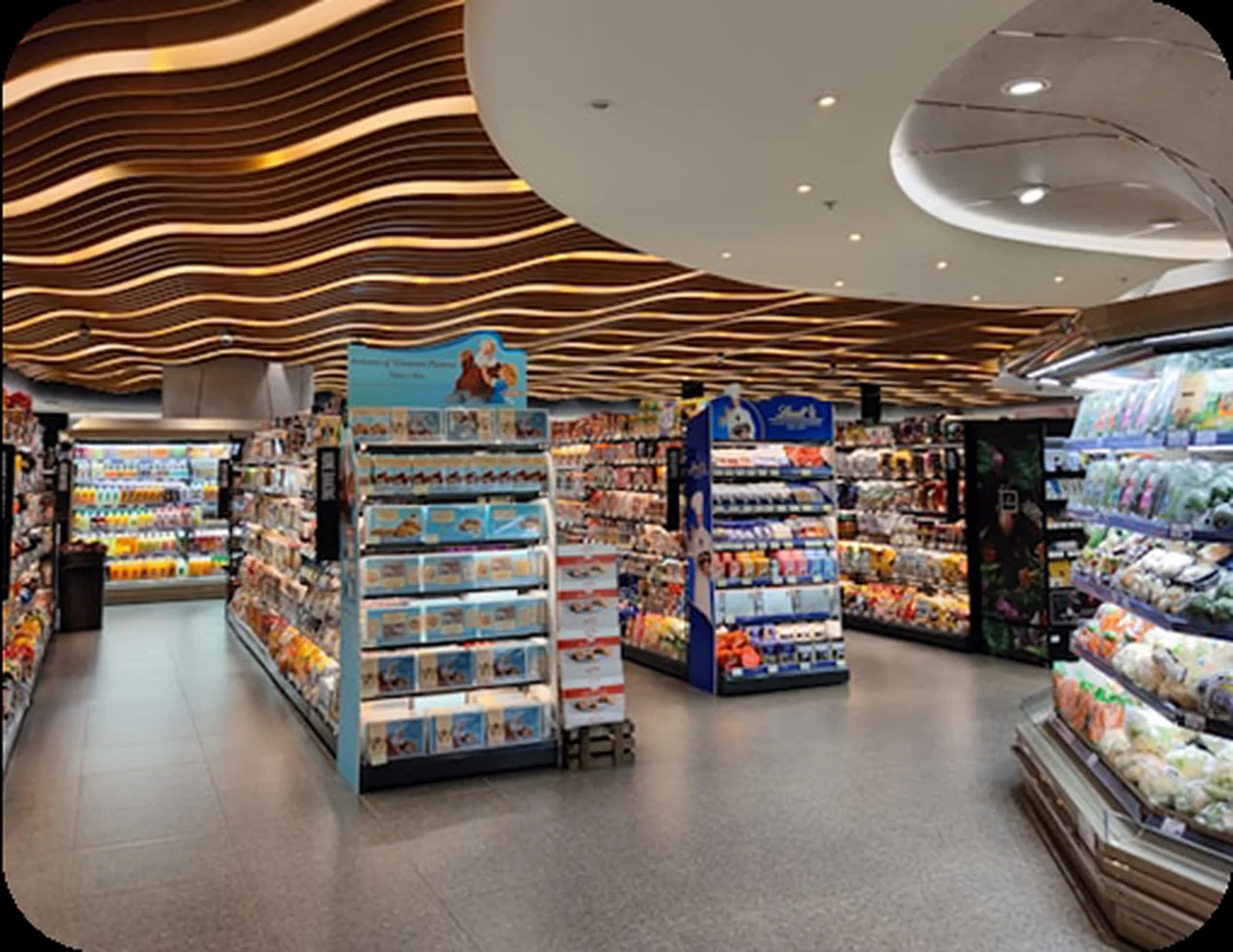
Small commercial retail interior for compact airflow planning
Compact mixed-use airflow and entrance comfort.

Project conditions

Small-Space Zones

A front door, seating area, restroom, service counter, and storage room may all be only a few steps apart, but each has a different airflow reason. List each zone separately so doorway comfort, retail store ventilation intake, restroom exhaust, and fresh-air planning lead to the right equipment family.

Compact spaces also make sound target, mounting depth, ceiling access, voltage, controls, and discharge route more important. Photos of the doorway and ceiling path can prevent a product suggestion that looks reasonable but cannot be installed cleanly.

Equipment fit

Small Space Equipment Fit

Restaurant air curtains and storefront air curtains fit entrances where drafts, insects, or comfort are the issue. Fresh-air or ERV products fit occupied customer spaces when ventilation is the concern. Exhaust, inline, or cabinet fans fit restrooms, storage, and support zones when the duct path is understood.

Keep the request zone-based and tie airflow, sound, voltage, controls, and certification details to current model documents.

Project data

Split the space by zone first, then route each issue to restaurant air curtains, storefront air curtains, fresh-air products, exhaust fans, or duct fan support with current model documents.

  • Zone list: entrance, seating, restroom, storage, and service areas
  • Door dimensions, traffic, voltage, controls, and comfort issue
  • Seating occupancy, room area, fresh-air target, and sound target
  • Odor or humidity source, restroom exhaust, duct route, and service access

Equipment match

Cafes and Small Commercial Spaces Equipment

Compare the common field condition with the MiWind equipment family that usually belongs in the first review. Final technical details stay with the selected model.

ConditionProject factsRecommended equipmentDecision note
Customer entranceDoor size, mounting height, traffic, voltage, controls, comfort issueRestaurant air curtain or storefront air curtainInclude height, traffic, and comfort issue with width
Seating areaArea, ceiling height, seating occupancy, fresh-air target, sound targetFresh air and ERV systemsSound and service access matter
RestroomArea, duct route, controls, restroom exhaust target, sound targetExhaust or inline fansDuct path affects delivered airflow
Service or storage zoneOdor, moisture, room volume, discharge pathVentilation FanSource and discharge route drive selection
Mixed-use small spaceZone list, retail store ventilation intake, schedule, photos, voltage, controlsCombined equipment reviewOne equipment family may not cover every zone

Planning guides

Cafes and Small Commercial Spaces Guides

Open the matching technical guide or calculator before moving into model-level product review.