
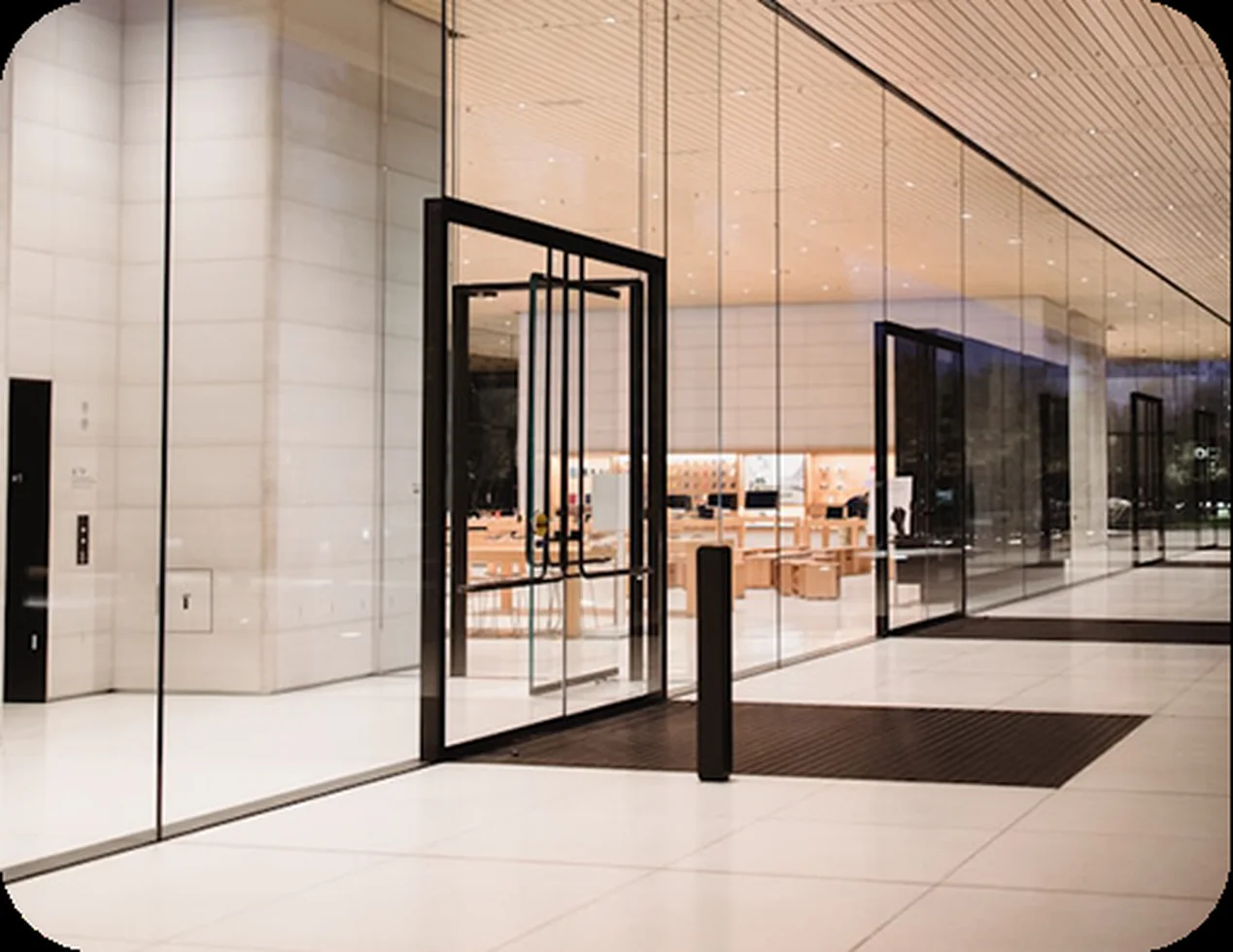
Retail entrance application

Retail Entrances

Retail entrances are open-and-close environments, not just door openings. A retail store entrance air curtain path and storefront door air curtain selection path start with the finished doorway, customer traffic, and the reason the store wants an air barrier: draft reduction, insect control, dust separation, or comfort near the entry. Storefront air curtain sizing starts with finished opening width, clear height, mounting height, traffic pattern, exterior exposure, heated or unheated intent, voltage, controls, and photos.

Retail Entrances: Storefront air curtain sizing for retail entrances where door width, mounting height, traffic, exterior exposure, heating preference, voltage, controls, and photos shape the air curtain review. Capture door dimensions, mounting photos, voltage availability before asking for quotation or model documents.

Updated 2026-06-25
Door coverageDraft controlInsect and dust barrierHeated option review
Retail glass entrance with air curtain planning context
Doorway exposure, traffic, and comfort review.

Project conditions

Doorway Behavior

The same nominal door width can behave very differently in a small storefront, a windy exterior entry, or a service entrance used by delivery carts. Mounting height, header depth, ceiling obstructions, and door-open time should be understood before equipment family review.

Heated and unheated air curtains also need different electrical and control conversations. For heated use, voltage, control method, and available clearance should be checked early rather than added after a model has already been suggested.

Equipment fit

Air Curtain Fit

Most retail entrance conversations begin with commercial air curtains. Unit heater support may appear when the project is really about entry comfort in colder conditions, but the air curtain remains the doorway equipment choice.

Airflow, sound, controls, electrical data, and any certification language should stay tied to the exact model before they move into quotation or submittal language.

Project data

Start with air curtains; add heating review only when the doorway comfort requirement and power conditions are clear.

  • Finished width, clear height, and mounting height
  • Traffic pattern and exterior exposure
  • Heated or unheated preference
  • Voltage, door switch, and control expectation

Equipment match

Retail Entrances Equipment

Compare the common field condition with the MiWind equipment family that usually belongs in the first review. Final technical details stay with the selected model.

ConditionProject factsRecommended equipmentDecision note
Customer entryDoor size, mounting height, traffic pattern, comfort issueAir curtainsComfort depends on exposure and install height
Insect or dust concernDoor cycles, exterior exposure, priority, controlsAir curtainsInclude height, exposure, and traffic with width
Heated entranceVoltage, heating preference, control type, mounting clearanceAir curtainsPower and controls can decide feasibility
Service entranceOpening size, delivery cycles, wind exposure, voltageAir curtainsService use may be more demanding than customer entry
Small storefrontHeader space, door swing, noise sensitivity, photosAir curtain reviewMounting constraints can drive options

Planning guides

Retail Entrances Guides

Open the matching technical guide or calculator before moving into model-level product review.