
Commercial kitchen support equipment review

Kitchen Ventilation and ERV Planning

Commercial kitchen pages should support product selection around adjacent airflow without pretending to replace hood, fire, or permit design. The useful boundary is clear: doors, support rooms, known fan paths, odor or heat sources, and model-level technical detail.

Kitchen Ventilation and ERV Planning: Support kitchen ventilation and ERV planning, including kitchen ventilation + ERV, food service air curtains, bakery ventilation, catering-space ventilation, and kitchen-adjacent airflow reviews while keeping hood and code requirements separate. Capture kitchen plan or photos, restaurant, hotel kitchen, food processing, or commercial cooking area context, door/opening sizes before asking for quotation or model documents.

Updated 2026-06-25
Scope boundaryKnown CFMDoor and support roomsDuct and discharge path
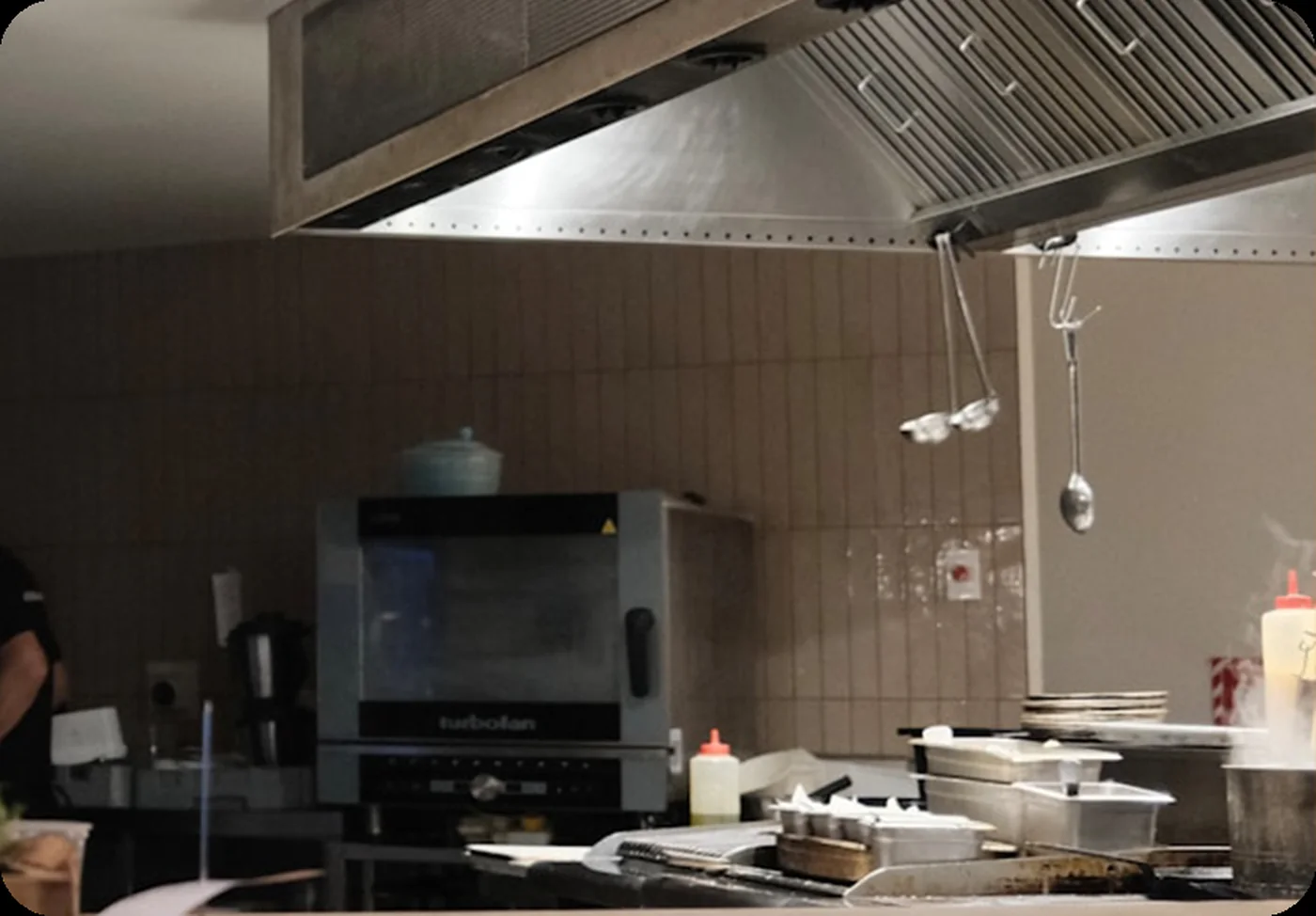
Commercial kitchen hood and support ventilation area
Support-room airflow context, separate from hood design.

Project conditions

Scope Boundary

A kitchen-adjacent doorway, a storage room with odor, and a support exhaust path are separate conversations. If a mechanical designer has already set a CFM target, that target should be carried into the equipment review instead of replaced by a rough page estimate.

Restaurants, hotel kitchens, food processing rooms, and commercial cooking areas should not be collapsed into one fan request. Each context has a different mix of heat, smoke, grease, odor, hygiene concern, duct access, and authority review.

Makeup-air notes and authority requirements should be kept visible, but final code interpretation belongs to the project authority and design team.

Equipment fit

Kitchen Fan Fit

Air curtains may fit kitchen-adjacent doors where separation or comfort is the issue. Inline, exhaust, or cabinet fans may fit support rooms, storage areas, or known fan replacement paths where duct route and discharge location are already understood.

Airflow, electrical, sound, installation, and certification language should come from the exact model being reviewed.

Project data

Use air curtains for relevant doors and fan families for support ventilation; keep hood and permit design outside the product page promise.

  • Product document scope, separate from hood design
  • Known design CFM when available
  • Door locations and opening dimensions
  • Duct route, discharge, makeup-air notes, and authority requirements

Equipment match

Kitchen Ventilation and ERV Planning Equipment

Compare the common field condition with the MiWind equipment family that usually belongs in the first review. Final technical details stay with the selected model.

ConditionProject factsRecommended equipmentDecision note
Kitchen-adjacent doorDoor size, heat/odor context, traffic, voltageAir curtainsKeep hood design separate
Support-room exhaustRoom use, odor source, duct route, terminationExhaust or inline fansDuct path affects delivered airflow
Known design CFMProject target, duct path, voltage, controlsFan data reviewDesign target rather than guessing
Storage or prep supportMoisture, odor, room volume, access, discharge pathInline or cabinet fansSupport spaces vary by source
Authority-driven projectPermit notes, project requirements, model data neededTechnical reviewDetails should be model-specific

Planning guides

Kitchen Ventilation and ERV Planning Guides

Open the matching technical guide or calculator before moving into model-level product review.