Inline and duct fan equipment

Ventilation Fan

Use inline duct fan, mixed-flow duct fan, silent inline fan, duct booster fan, and pipeline fan selection by CFM, static pressure, access, then route inline cabinet fan, centrifugal vent fan, and centrifugal ventilation fan questions by duct path, pressure, service access, controls, and sound.

Ducted systems need a fan selected around CFM, duct path, pressure loss, noise sensitivity, and service access.

Ventilation Fan: Inline, EC inline, circular, booster, HEPA, inline cabinet fan, centrifugal vent fan, and cabinet centrifugal fans for commercial inline duct fan selection, office space ventilation fans, centrifugal ventilation fan handoff, and ducted ventilation paths.

Updated 2026-06-25
CFM airflow target SP static pressure DIA duct diameter RUN duct route

Products

Ventilation Fan Series

Compare ventilation fan series by airflow target, static pressure, duct diameter, noise sensitivity, motor type, cabinet access, and service path.

Inline Duct Fan Series equipment view

Ventilation fan series

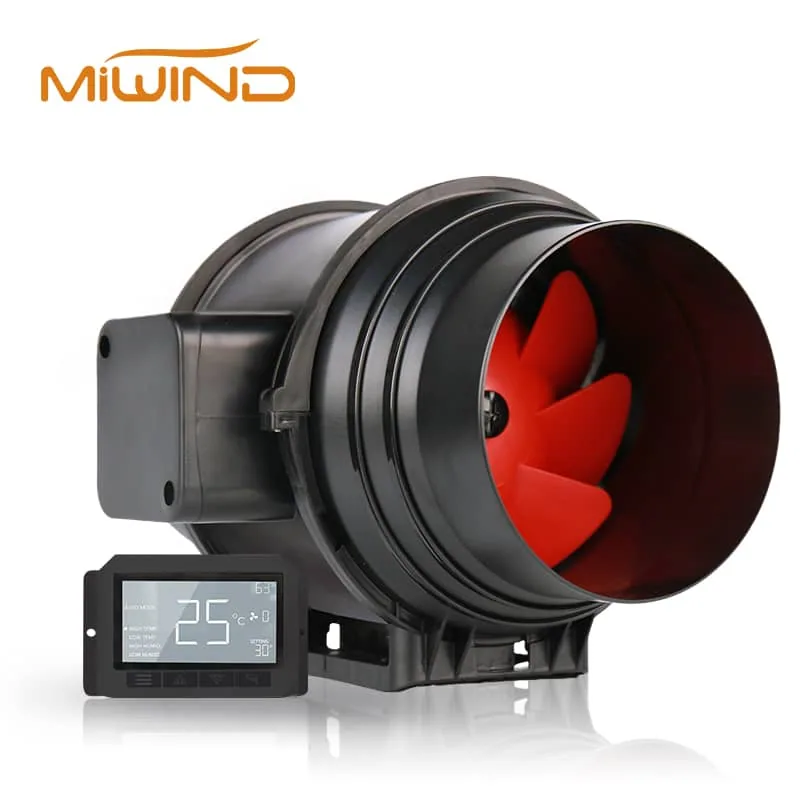
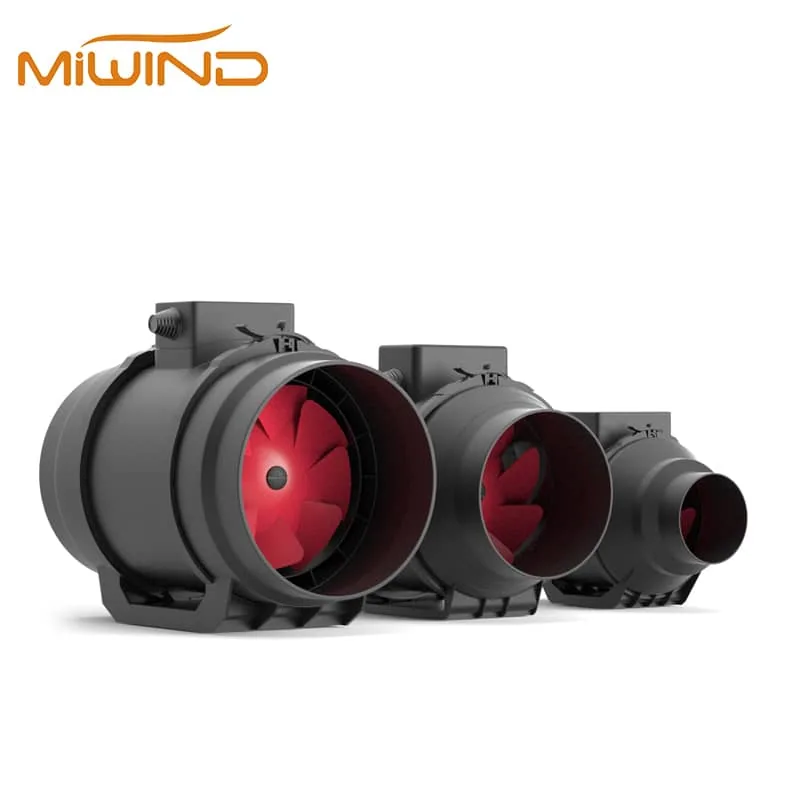
Inline Duct Fan Series

inline duct fan product page for round duct ventilation runs, mixed-flow duct fan requests, silent inline fan review, pipeline fan wording, and mixed-flow inline fan selection by CFM static pressure and access across 4, 6, 8, 10, and 12 inch duct runs.

Typical applications
Fan duty
Ducted ventilation
Duct condition
Restrooms
Review focus
Utility rooms
EC Inline Duct Fan Series equipment view

Ventilation fan series

EC Inline Duct Fan Series

EC inline duct fan series for projects that need speed control, humidity or temperature sensing, variable occupancy airflow, duct pressure review, and current electrical documents.

Typical applications
Fan duty
Energy-conscious ducted ventilation
Duct condition
Humidity-responsive airflow
Review focus
Multi-speed control review
Circular Duct Fan Series equipment view

Ventilation fan series

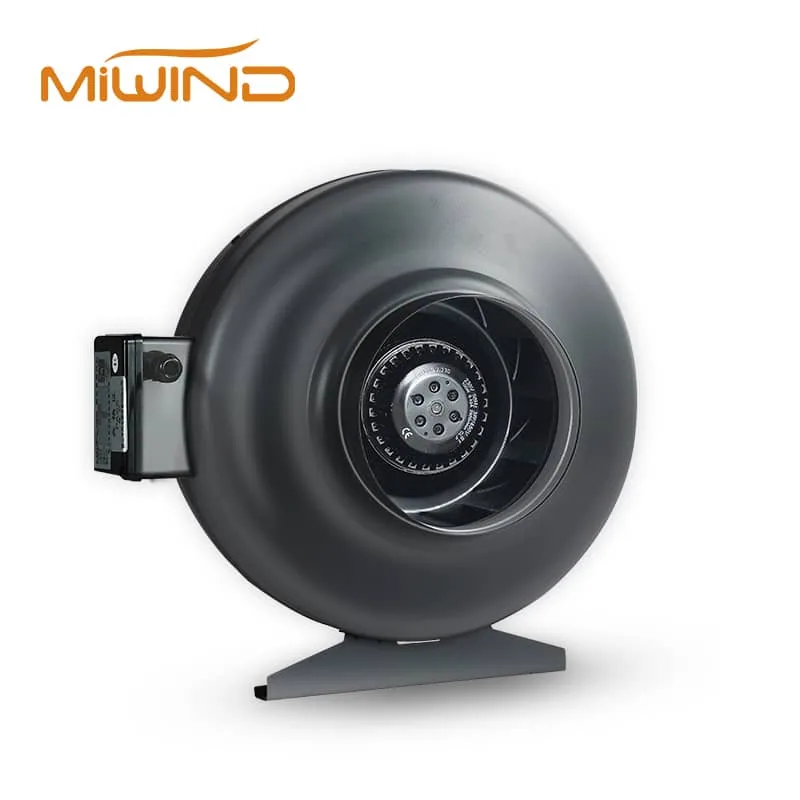
Circular Duct Fan Series

Circular duct fan series for round-duct ventilation and exhaust projects where housing fit, airflow, pressure, and service access need to be checked.

Typical applications
Fan duty
Circular duct runs
Duct condition
Metal-housing fan review
Review focus
General ventilation
Booster Fan Series equipment view

Ventilation fan series

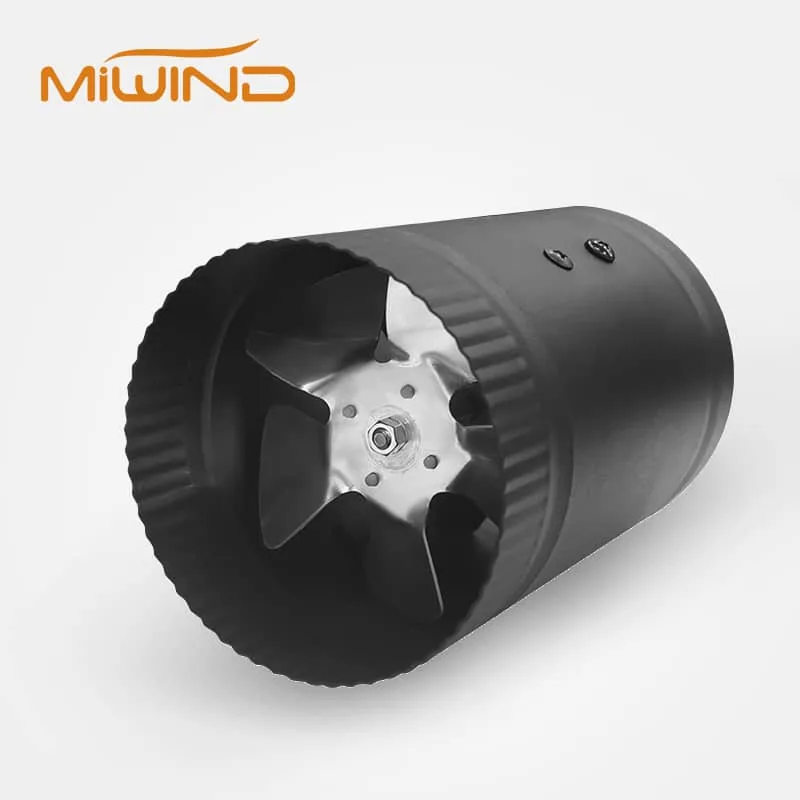
Booster Fan Series

Booster fan series for 4, 6, and 8 inch duct-assist runs, greenhouse fan calculator requests, storage ventilation, and inline duct booster review where the weak-airflow location, route, elbows, pressure loss, and target airflow are already known.

Typical applications
Fan duty
Duct boost
Duct condition
Simple installation review
Review focus
Support airflow
HEPA Purified Duct Fan Series equipment view

Ventilation fan series

HEPA Purified Duct Fan Series

HEPA purified duct fan series for filtered-air duct runs where airflow, filter pressure, two-speed control, and service access must stay aligned.

Typical applications
Fan duty
Filtered duct airflow
Duct condition
Carbon and HEPA filter review
Review focus
Fresh air planning
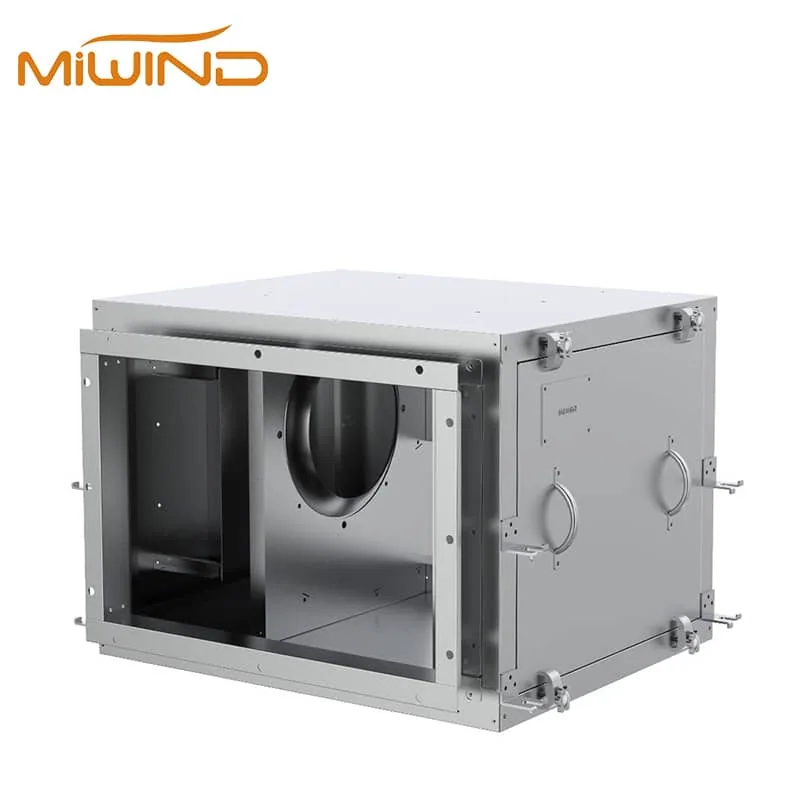
Cabinet Centrifugal Fan Series equipment view

Ventilation fan series

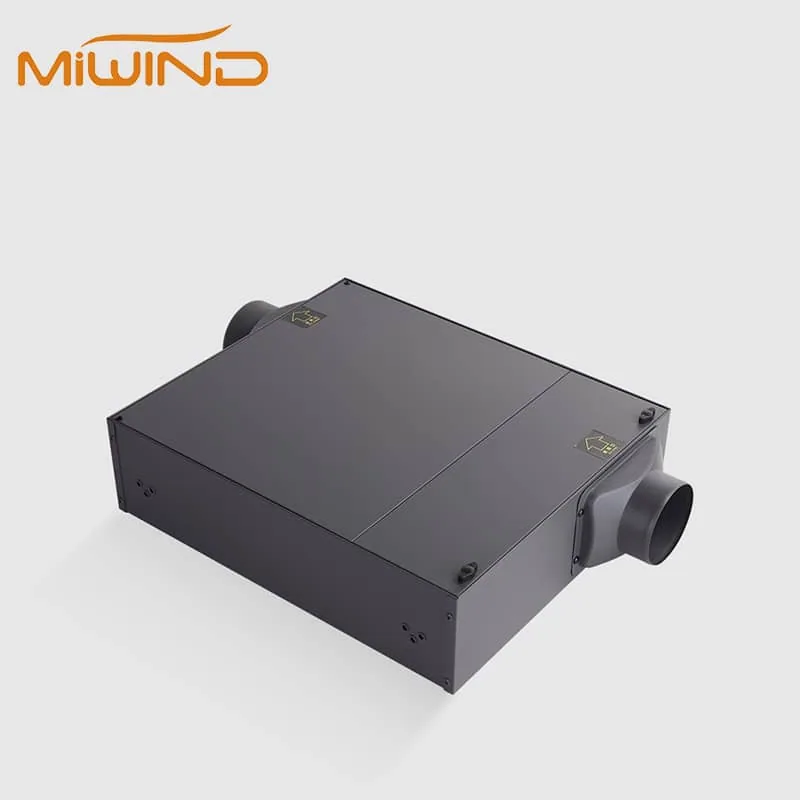
Cabinet Centrifugal Fan Series

Cabinet centrifugal fan series for inline cabinet fan and centrifugal ventilation fan projects where static pressure and fan curve review for inline cabinet fan selection, service access, and current model documents for cabinet centrifugal fan projects decide fit. Inline Cabinet Fan and Centrifugal Ventilation Fan Series notes keep this cabinet centrifugal fan for static pressure review, fan curve checks, service access, and equipment-room cabinet fan selection while cabinet type inline fan and centrifugal cabinet fan requests, in line centrifugal fan requests, and in-line centrifugal fan requests stay tied to CFM, pressure estimate, voltage, access side, and duct route.

Typical applications
Fan duty
Industrial airflow
Duct condition
Equipment rooms
Review focus
High-pressure utility ventilation

Selection data

Duct Fan Pressure Review

A duct fan project should describe the airflow target and the resistance the fan must overcome, so the first model review reflects the real installation.

Project data

  1. Define the duty: exhaust, supply assist, transfer air, makeup support, or duct booster.
  2. Estimate planning CFM from room volume, application, occupancy, equipment load, or known design target.
  3. Map duct diameter, run length, elbows, transitions, filters, grilles, dampers, and discharge path.

Documents

Product documents 1 available Series pages 6 series Model documents Request Certification and availability Confirm by model

Selection checks

Airflow target Lock the airflow target. Pressure path Map the full duct path. Noise and velocity Capture sound sensitivity. Inline or cabinet Pressure class and cabinet fan handoff.

Duct path matrix

Target CFM
Sets the airflow goal before choosing a fan body. / Ventilation CFM calculator.
Static pressure
Shows whether the fan can move air through the real duct path. / Estimate fittings, filters, grilles, and discharge loss.
Duct diameter
Affects velocity, noise, pressure loss, and whether an inline duct fan, mixed-flow duct fan, circular duct fan, or pipeline fan path fits. / Capture diameter and material.
Elbows and fittings
Each turn and transition adds resistance. / Count fittings before product recommendation.
Filters and grilles
Restrictive accessories can change the required pressure class. / Confirm filter type, grille style, and service access.
Booster path
Duct booster fans and inline duct booster requests should start from the weak-airflow location, duct route, elbows, and target airflow. / Map where assistance is needed.
Sound and access
Noise tolerance and maintenance clearance affect product fit. / Capture ceiling, cabinet, or equipment-room notes.

FAQs

Technical FAQs

Can I size an inline fan by duct diameter only?

No. Duct diameter is only one input. CFM target, duct length, elbows, filters, and pressure loss affect selection.

When does static pressure become important?

Static pressure matters whenever the fan must move air through long ducts, elbows, filters, grilles, dampers, or restrictive terminations.

What information helps compare inline fan options?

Target CFM, duct size, equivalent duct length, control needs, sound sensitivity, and service access should be reviewed together.