
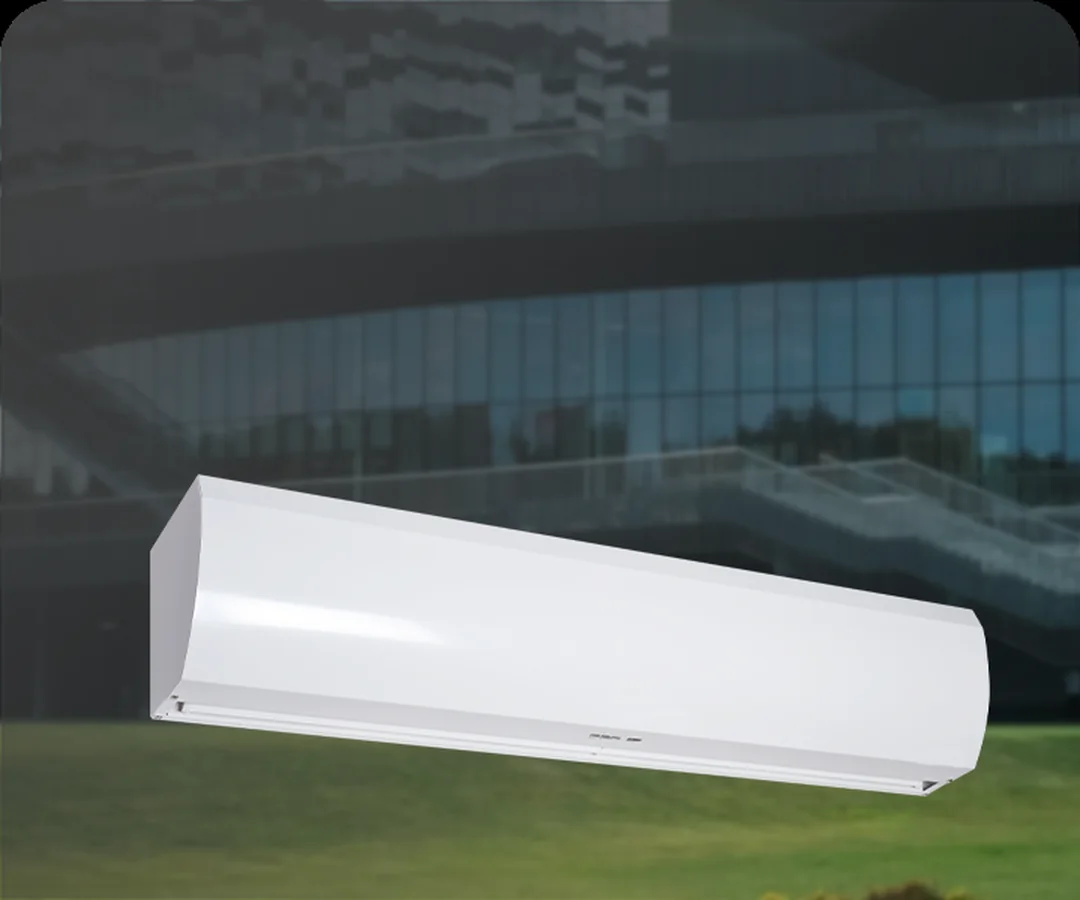
Cold-room door application

Cold Room Doors

Cold-room doors need a colder-duty conversation than a standard retail entry. The opening separates different temperatures, often with carts, staff traffic, moisture, and frost risk around the same doorway.

Cold Room Doors: Plan air curtain reviews for walk-in cooler, cold-room, and temperature-separated openings. Capture door size, cold-room temperature, ambient room temperature before asking for quotation or model documents.

Updated 2026-06-25
Temperature splitDoor cycle rateMoisture or frost riskControl and voltage review
Installed air curtain above a commercial doorway
Opening separation, cycle rate, and cold-room duty review.

Project conditions

Temperature Separation

Door size still matters, but temperature split and door cycling shape the application. A walk-in cooler used a few times per hour is different from a service opening with repeated cart traffic and long open time.

Moisture and frost language should stay conservative unless the exact model and project conditions support it. The application page can organize the review; it should not promise final frost prevention or energy performance.

Equipment fit

Cold Room Air Curtain Fit

Cold-room requests usually start with air curtains designed for temperature-separated openings. If visible condensation, high ambient humidity, or storage conditions are part of the complaint, moisture-control review may sit beside the doorway review.

Mounting photos are especially useful because header space, controls, and service clearance often decide whether an equipment choice is practical.

Project data

Treat cold-room doors as temperature-separated openings first; do not reuse standard entry assumptions without checking temperature, moisture, and controls.

  • Door width, clear height, and mounting position
  • Cold-side and ambient-side temperatures
  • Door cycle rate and traffic type
  • Condensation, frost, or visible moisture notes

Equipment match

Cold Room Doors Equipment

Compare the common field condition with the MiWind equipment family that usually belongs in the first review. Final technical details stay with the selected model.

ConditionProject factsRecommended equipmentDecision note
Walk-in coolerDoor size, temperatures, cycle frequency, mounting heightAir curtainsTemperature split drives caution
Frequent staff trafficOpen time, traffic type, controls, voltageAir curtain control reviewDoor cycling can dominate
Frost concernMoisture source, visible frost, temperature split, ambient humidityAir curtain plus moisture reviewMoisture risk needs context
Limited header spacePhotos, mounting height, ceiling/wall constraintsMounting reviewInstallation path may limit models
Service or delivery openingOpening size, traffic type, exposure, duty cycleAir curtain reviewDuty may exceed standard doorway

Planning guides

Cold Room Doors Guides

Open the matching technical guide or calculator before moving into model-level product review.