
Fresh Air and ERV Systems

Heat Recovery Ventilation Series

Heat Recovery Ventilation Series is a fresh air and erv option for offices, classrooms, hotels and similar projects.

Start here

Start here when the project needs fresh air and erv for offices or classrooms. Confirm dimensions, voltage, access, controls, and current model documents before selecting an exact model.

Seriesproduct overview Fresh Air and ERVproduct family Documentsmodel documents
  • Offices
  • Classrooms
  • Hotels
  • Apartments
  • Light commercial spaces

Series options

Compare Heat Recovery Ventilation Series options

Review photos, key specs, typical uses, and document needs before requesting current model documents.

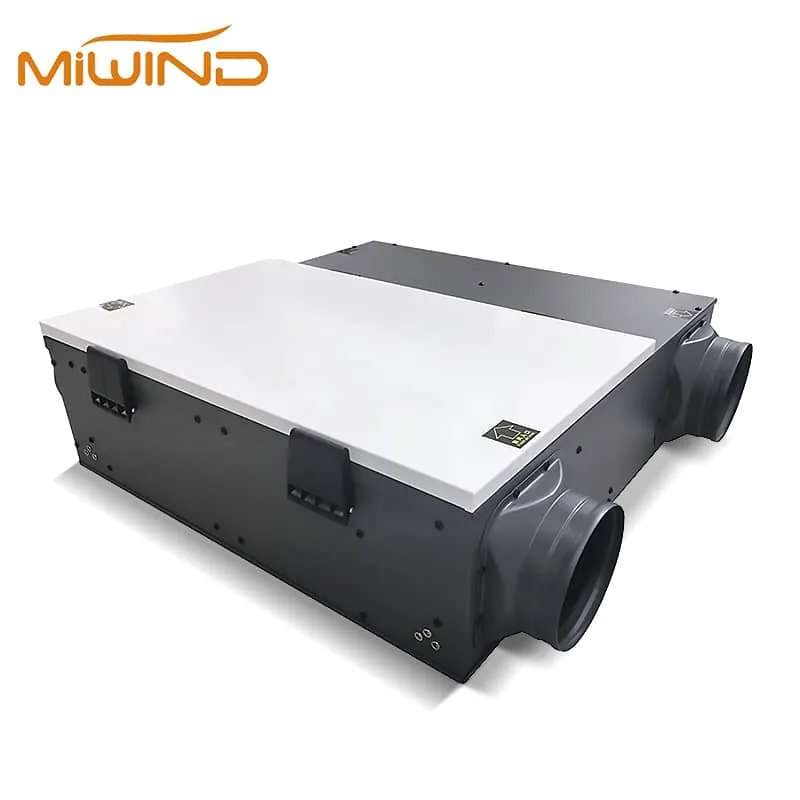
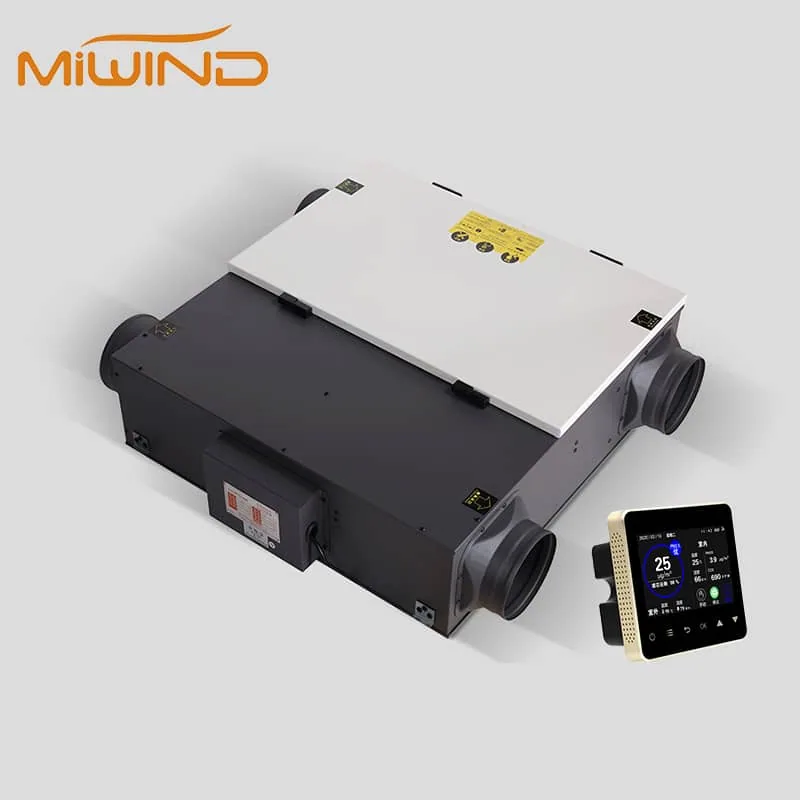
Heat Recovery Ventilation Unit equipment view

HRV Series

Heat Recovery Ventilation Unit

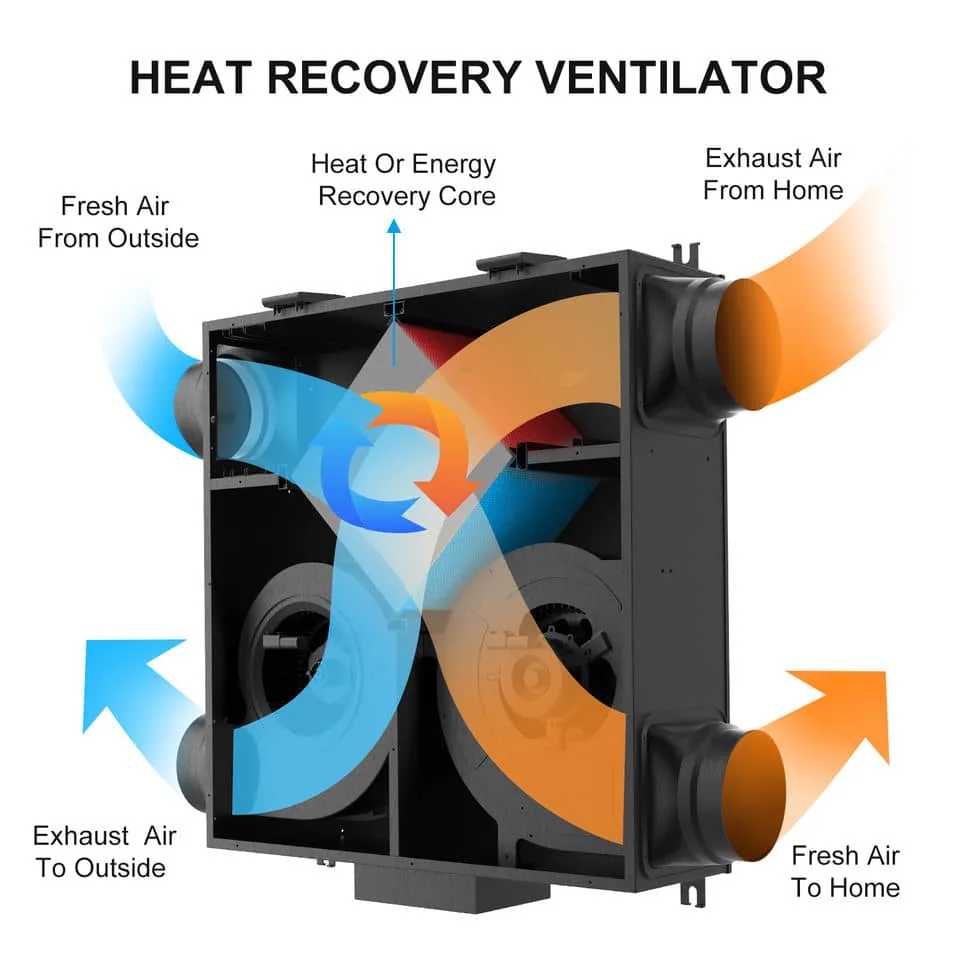
Ducted heat recovery ventilation unit and fresh air exchanger for projects comparing outdoor-air volume, ERV fresh air intake, HRV sizing notes, heat recovery vent intake, exchange core, filter pack, controls, voltage, and service access.

Heat Recovery Ventilation Unit should be reviewed around fresh air planning, heat recovery ventilation, filtered outdoor air intake, mounting conditions, electrical service, controls, and access for installation or service.

Use the visible product photos and model reference image to start the comparison, then confirm release documents before quoting, submittal, certification language, or final project use.

Key specs
Airflow Confirm CFM by model Model review Voltage Confirm the US voltage option Model review Mounting Ducted HRV / fresh-air unit; verify orientation and service side Model review
Typical uses
  • Fresh air planning
  • Heat recovery ventilation
  • Filtered outdoor air intake
Build notes
  • 4/6/8 inch duct-size range
  • Fresh air exchanger review should keep supply airflow, exhaust airflow, climate, humidity goal, duct resistance, filter pack, controls, voltage, and service clearance together.
  • Fresh air exchanger selection input should keep climate, CFM, duct route, filter access, and service side together
  • Graphene exchange-core wording should be verified by model documents
Check current model documents before quote or submittal use. Model data

Technical parameters

Heat Recovery Ventilation Unit technical parameters

The first model table shows how to read available values before final confirmation on the exact model page.

Spec field Selection value Use boundary
Model number HRV Series Model identifier
Airflow Confirm CFM by model Confirm by model
Static pressure Confirm duct and filter pressure Confirm by model
Voltage and phase Confirm the US voltage option Confirm by model
Dimensions 4/6/8 inch duct-size range; confirm exact dimensions Confirm by model
Weight Confirm shipping and installed weight Confirm by model
Mounting type Ducted HRV / fresh-air unit; verify orientation and service side Confirm by model
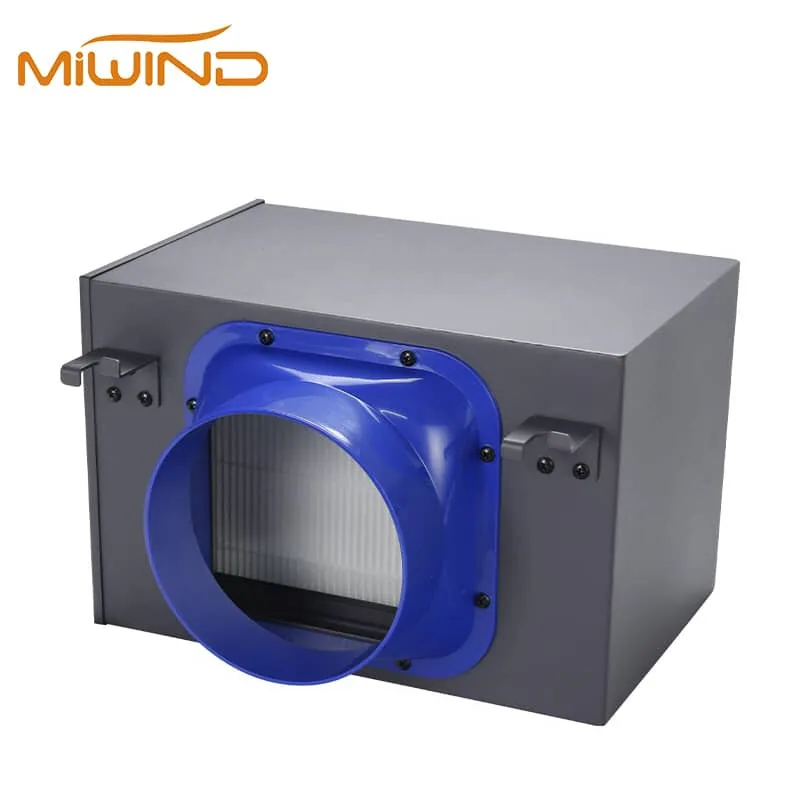
Filter type Pre-filter, carbon filter, or HEPA filter pack; confirm selected pack Confirm by model
Warranty Confirm warranty terms by product and sales channel Confirm by model

Factory reference

Factory model reference

Equipment photos

Equipment views that change selection

Use the photos to confirm the visible form factor, access side, mounting details, and service points before reading the longer selection notes.

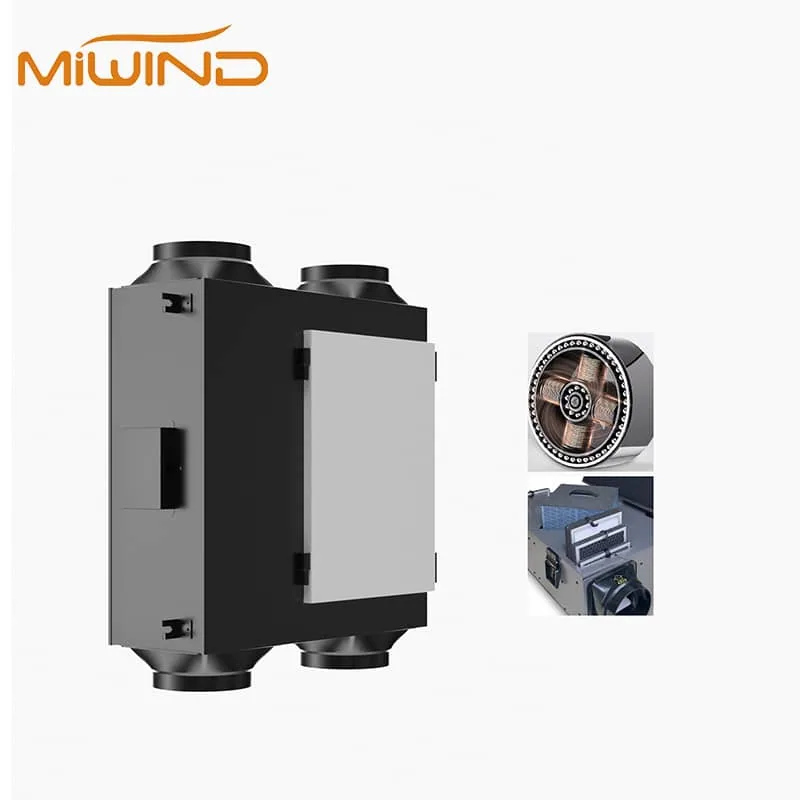
Heat Recovery Ventilation Series equipment detail 1
ERV / HRV bodyConfirm airflow, recovery type, controls, and duct orientation.
Heat Recovery Ventilation Series equipment detail 2
Access panelMaintenance access and filter replacement need space planning.
Heat Recovery Ventilation Series equipment detail 3
Core areaRecovery media and performance details require exact model data.

Applications

Applications

For product documents, prepare room use, approximate occupancy, supply and exhaust targets, duct route, filter expectation, voltage, access photos, and any project document requirement by model.

Typical uses

Review occupied rooms, office areas, classrooms, gyms, restaurants, and light-commercial spaces by supply airflow, exhaust path, filtration need, recovery preference, and service access. The best fit depends on the duct route as much as the unit body.

Selection boundary

Review this series for fresh-air or recovery planning where CFM, filtration, and access panels matter. Move to inline fans or exhaust fans when the project is only moving air out of a room without recovery or fresh-air conditioning review.

Installation review

Confirm duct connections, condensate path where relevant, filter access, ceiling or equipment-room clearance, electrical service, and maintenance side clearance before model comparison moves into purchase review.

Parameter reading

Read CFM, recovery type, filter class, voltage, dimensions, noise context, and access direction together. A nominal airflow value should be checked against duct resistance and the planned room use.

Sizing Inputs

Projects need planned outdoor air without guessing at CFM, ERV/HRV direction, climate fit, filter pressure, duct route, controls, or installation space.

Start with the visible model cards above, then collect the few site conditions that change equipment fit before requesting final model documents.

  • Define occupancy, floor area, ceiling height, climate, duct path, and filtration expectations.
  • Fresh air ventilation systems planning covers fresh air exchanger planning, ERV fresh air requests, and heat recovery ventilation unit document routing before model selection.
  • Treat ERV/HRV education as a pre-selection aid rather than a certification detail.
  • Heat recovery ventilation series should connect office ERV and HRV fresh air planning to ventilation CFM calculator, ERV/HRV selection worksheet, ERV vs HRV guide, and request current fresh-air system documents.
Supply airflowExhaust airflowRecovery typeFilter typeExternal static pressureVoltage