
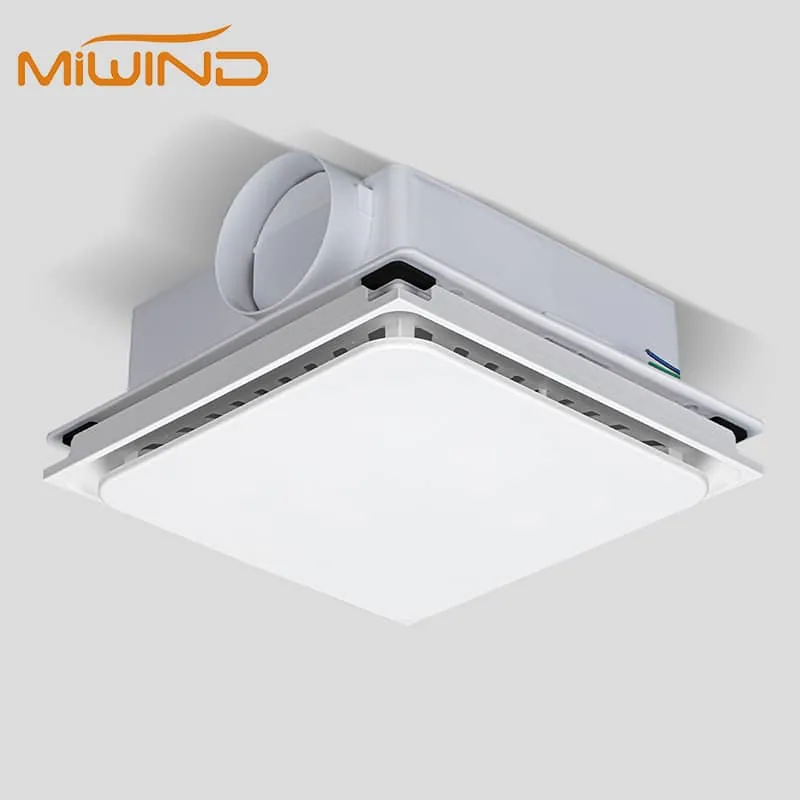
Sones are a loudness reference, not an installed-noise promise
Sones are a perceived-loudness rating used to compare bathroom fans and exhaust fans. A lower sone rating usually describes a quieter fan at the rated operating point, but installed bathroom fan noise still depends on CFM, duct length, duct restriction, grille condition, mounting quality, termination, speed setting, and current model data.
The catalog rating looked quiet, but the installed restroom fan does not feel quiet to the people using the space. They hear rushing air at the grille and vibration above the ceiling.
That complaint may have less to do with the acoustic unit and more to do with CFM target, duct restriction, grille selection, damper behavior, or mounting quality. Sone and dBA only help after the airflow path is understood, so an installed bathroom fan noise worksheet should travel with the model selection.
A sone vs dBA bathroom fan noise review should keep the sound value tied to airflow, duct path, installed condition, and selected model data.
Bathroom fan sones and exhaust fan sones should be reviewed with target CFM, duct length, static restriction, grille condition, mounting quality, termination, speed setting, service access, and current model data before treating a published sound value as the installed room result.
Tie the sound rating to the installed airflow path
The sone vs dBA question usually appears after a bathroom exhaust fan looks quiet on paper but sounds harsh once installed above a restroom, utility bathroom, or support space. The buyer is not only comparing acoustic units. They are trying to avoid a fan that delivers the required CFM while creating occupant complaints.
Sones and dBA both describe sound, but neither should be isolated from CFM, duct length, static restriction, grille condition, termination, mounting quality, and service access. A quiet rating is only useful when the installed airflow path is reasonable.
For commercial restroom projects, the first worksheet should record room use, fixture count or airflow basis, target CFM, duct diameter, duct length, elbow count, discharge location, ceiling access, and whether occupants are sensitive to fan noise.
- Start with the required bathroom exhaust CFM.
- Describe duct diameter, length, elbow count, damper, grille, and termination.
- Treat sones or dBA as part of the equipment selection, not as a field-performance guarantee.
- Use inline fan selection when moving the sound source away from the occupied room is part of the strategy.

For the airflow baseline, estimate the room on the bathroom exhaust fan sizing calculator. For site context, review bathroom ventilation application inputs.
Sone Rating Basics
A sone rating is a perceived-loudness reference. For bathroom fan sones and exhaust fan sones, it helps buyers compare how loud fan models may feel at a stated operating point. It is not the same as dBA, and it should not be separated from CFM or installation conditions.
Sone values are often the easier starting point when a project compares bathroom-style exhaust fans side by side. They relate to perceived loudness and are familiar in restroom and residential-adjacent ventilation discussions. dBA is a weighted sound-pressure measurement that may be easier for engineers to compare across multiple mechanical devices in the same space.
The mistake is reading either number as a promise of installed sound. A low sone rating can still lead to a noisy room if the duct path is restrictive, the discharge is undersized, or the grille and housing create turbulence. A dBA value can support comparison, but it still does not describe the full installed condition above the ceiling.
Procurement teams should keep the rating method attached to a specific model and operating point. If the requested CFM or duct resistance moves outside the reviewed point, the acoustic comparison may no longer describe the final installation.
Use sones for product-family comparison
Use sones when comparing bathroom exhaust fans within a familiar product group, especially where the buyer wants a simple quietness reference.
Use dBA for broader mechanical comparison
Use dBA when the project team is comparing exhaust fans with other equipment categories, or when the engineer wants a sound-pressure reference across the room.
Keep ratings tied to operating conditions
Ask whether the sound figure is linked to a specific airflow point, installation condition, or model data sheet. A sound number without CFM and installation context is weak procurement evidence.
| Term | What it helps compare | Selection note |
|---|---|---|
| Sone | Perceived loudness in common ventilation discussions. | Useful for bathroom fan sones and exhaust fan sones comparisons when the CFM point is known. |
| Sone rating | Published quietness reference for a fan model or operating point. | Keep it beside CFM, duct restriction, grille, mounting, controls, and current model data. |
| dBA | Weighted sound-pressure level across equipment types. | Useful when the project compares multiple mechanical devices. |
| Installed noise | What occupants actually hear. | Affected by duct path, grille, mounting, speed, and termination. |
Diagnose why quiet fans become noisy
Noise complaints are often caused by the system around the fan rather than the fan alone. Long duct runs, undersized ducts, sharp elbows, restrictive grilles, backdraft dampers, and poor roof or wall terminations can increase resistance and turbulence. Once the fan is forced to work against a poor path, the acoustic result can drift away from the published rating.
Mounting quality matters too. A loose housing, rattling grille, or duct connection that transfers vibration into the ceiling can make an otherwise reasonable fan feel much louder in use. Installed sound should be reviewed with airflow, not treated as a decorative spec line.
Static pressure is the bridge between airflow and noise. If the duct path has multiple elbows, a small termination, or a restrictive damper, the fan may need a different equipment direction than a short, straight restroom exhaust run.
- Review duct length and elbow count before trusting the published sound figure.
- Keep grille size, damper restriction, and termination type visible in the same review as the fan rating.
- If the fan is above an occupied room, discuss mounting method and vibration transfer early.
- If service access is tight, include photos before choosing between ceiling-mounted and inline fan paths.

For rating context, read the exhaust fan sone rating guide. For ceiling and wall options, compare MiWind exhaust fan products.
Equipment recommendation path
For a small commercial restroom, begin with airflow and duct path first. Once the target CFM is clear, compare ceiling-mounted exhaust fans and inline duct fans by airflow range, expected duct resistance, mounting arrangement, service access, control method, and available model data. Then use sone or dBA as a secondary filter for the room's sound expectation.
If sound is the first filter, the project can end up with a fan that looks quiet but is underpowered for the duct path. If airflow and installation path are solved first, the sound rating becomes more useful as a decision tool.
Choose a ceiling-mounted exhaust fan path when the duct run is short, access is straightforward, and the sound source can remain in the room ceiling. Review an inline duct fan path when the duct run is longer, static restriction is higher, or moving the motor farther from the occupied zone is part of the sound strategy.
| Project condition | Likely direction | What to confirm |
|---|---|---|
| Short duct, normal restroom | Ceiling exhaust fan | CFM, duct size, controls, and sound rating |
| Long duct or multiple elbows | Inline fan or higher-pressure check | Static restriction, service access, and installed sound risk |
| Sound-sensitive room | Quiet fan or remote fan location | Mounting quality, duct isolation, grille, and termination |
For longer duct runs, compare the inline duct fan equipment family. For duct pressure and selection details, use the duct fan selection guide.
Sound selection takeaway
Use sones and dBA as comparison tools, not isolated guarantees. The quieter bathroom exhaust fan is the one that can deliver the required CFM through the real duct path while staying serviceable and acceptable in the occupied room.
Bathroom fan noise handoff should connect the exhaust fan sone ratings guide, bathroom exhaust fan sizing calculator, long-duct bathroom fan guide, ceiling-mounted exhaust fan series, inline duct fan family, and current model documents.
Before requesting a sound-sensitive exhaust review, send room type, target airflow, duct size, duct length, elbow count, termination path, mounting condition, control expectation, and photos of the ceiling or access area.
Published sound values should stay attached to the selected model table and installed conditions.
Confirm airflow with the bathroom exhaust fan sizing calculator. When duct details and access photos are ready, request a sound-sensitive exhaust fan selection.