
After the exhaust fan upgrade
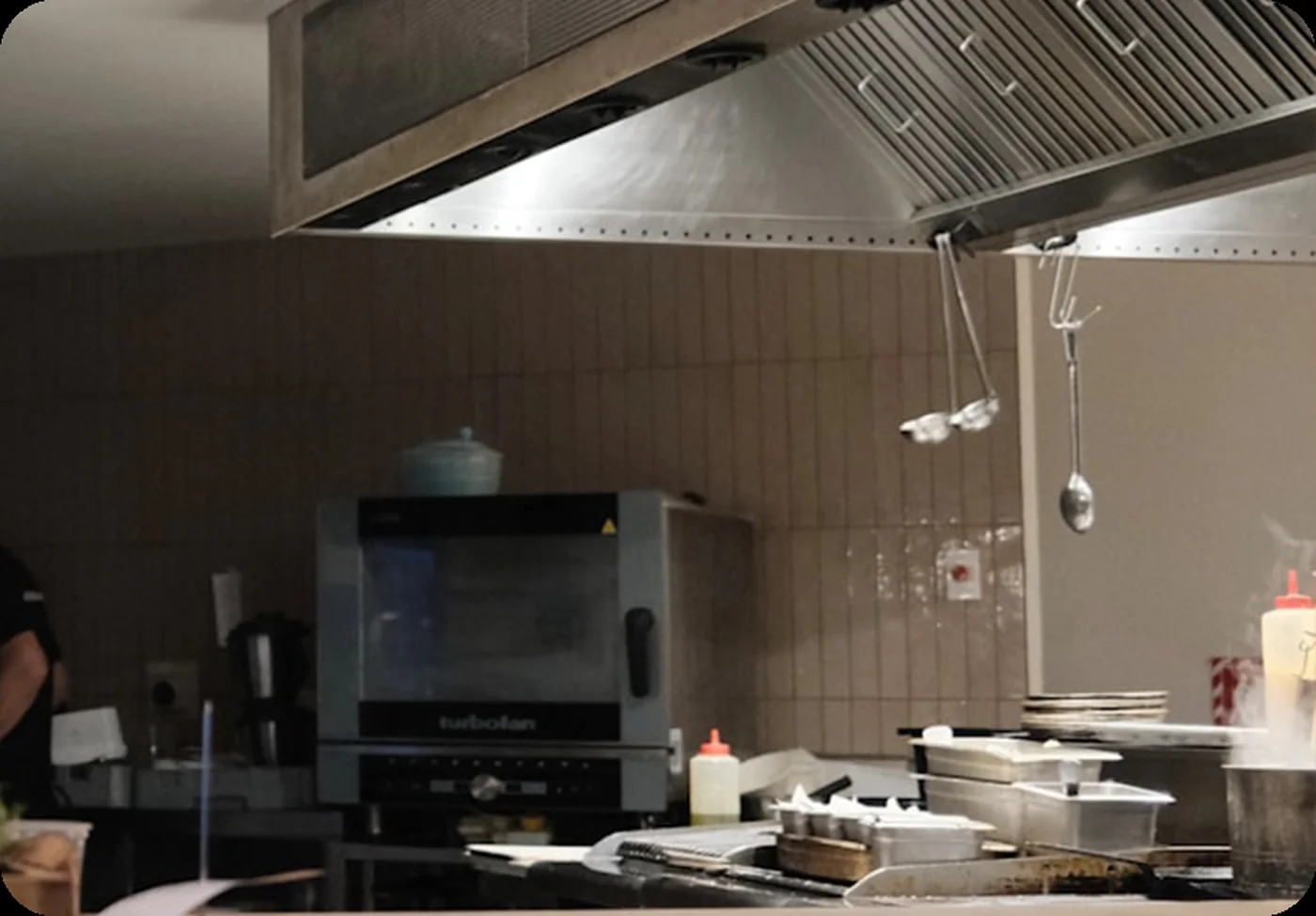
The weak exhaust fan is replaced, and the kitchen finally clears faster. Then a new problem appears: the exterior door is harder to open, air pulls from the dining room, and the service corridor feels worse than before.
The exhaust side improved, but the replacement-air path was never reviewed. Restaurant ventilation upgrades need makeup-air review when exhaust CFM, room balance, transfer paths, door drafts, duct pressure, and kitchen layout begin interacting.
An exhaust upgrade can expose a room-balance problem
Restaurant ventilation upgrades often begin with a visible complaint: lingering odor, heat at the back of house, weak exhaust capture, or uncomfortable drafts near doors. Once the exhaust side is strengthened, another issue sometimes becomes more obvious: the space has no clean replacement-air path to support the air being removed.
That is the point where makeup-air review belongs in the conversation. The question is not whether every restaurant needs a separate makeup-air unit. The question is whether the room or kitchen zone is being pulled so far negative that doors, transfer paths, or adjacent spaces start behaving poorly.
For owners and distributors, this is an important planning distinction. A stronger fan does not automatically solve a ventilation complaint if the building cannot support the airflow balance that the upgraded exhaust path requires.
Keep the boundary clear: this article helps organize early support-equipment questions. It does not replace hood design, code review, fire-safety review, or mechanical engineering for a commercial kitchen exhaust system.
For the room-level application checklist, start with the restaurant ventilation page. For early room airflow context, use the ventilation CFM calculator.
Replacement Air Review
The most common signs are practical ones. Exterior doors become harder to open, drafts become more noticeable near entries, air seems to rush in from unintended paths, or the kitchen still feels unstable even after exhaust capacity was increased.
Dining rooms, prep areas, and small back-of-house zones can also show imbalance indirectly. Odors may move the wrong way, a service corridor may feel pulled toward the kitchen, or nearby spaces may lose comfort because the air relationship between rooms is no longer stable.
Ask what changed immediately after the exhaust work. A new fan, new hood arrangement, revised duct route, added filtration, or changed operating schedule can expose pressure imbalance even when the original symptom sounded like a simple exhaust issue.
| Observed condition | Why it matters | Next review question |
|---|---|---|
| Door drafts or hard-to-open exterior doors | The space may be drawing air inward too aggressively. | Where is replacement air entering now? |
| Kitchen still feels unstable after stronger exhaust | Exhaust volume alone may not restore balance. | Does the room have a clean air path back in? |
| Odors moving into adjacent areas | Pressure relationship between rooms may be off. | Should transfer or supply direction be reviewed? |
| Uneven comfort after ventilation changes | Air balance can affect more than the hood zone itself. | Which rooms changed after the exhaust work? |
When the symptom is a restaurant doorway comfort or separation issue, collect door facts before reviewing the A5 Restaurant Air Curtain.
Restaurant Layout Review
A restaurant is rarely one simple airflow box. Dining, kitchen, wash area, storage, and service corridors each behave differently. Some projects mainly need kitchen-adjacent replacement air. Others need a broader review of how outdoor air, transfer air, and exhaust interact across the occupied space.
That is why owners should resist a one-number answer too early. The better path is to define which room or zone is short of replacement air, how air currently enters the building, and whether the planned exhaust change is local to one area or large enough to affect the rest of the floor plan.
For cafes, bakeries, catering spaces, and mixed dining-and-service layouts, the review should name whether the problem is dining fresh air, restroom exhaust, kitchen-adjacent support airflow, transfer air, or an engineer-led hood and makeup-air design question.
If fresh air or filtration equipment is part of the response, service access and pressure impact matter. A filter box or fresh-air unit that is hard to service, undersized for the duct path, or installed on the wrong side of the pressure problem can create a maintenance issue instead of solving balance.
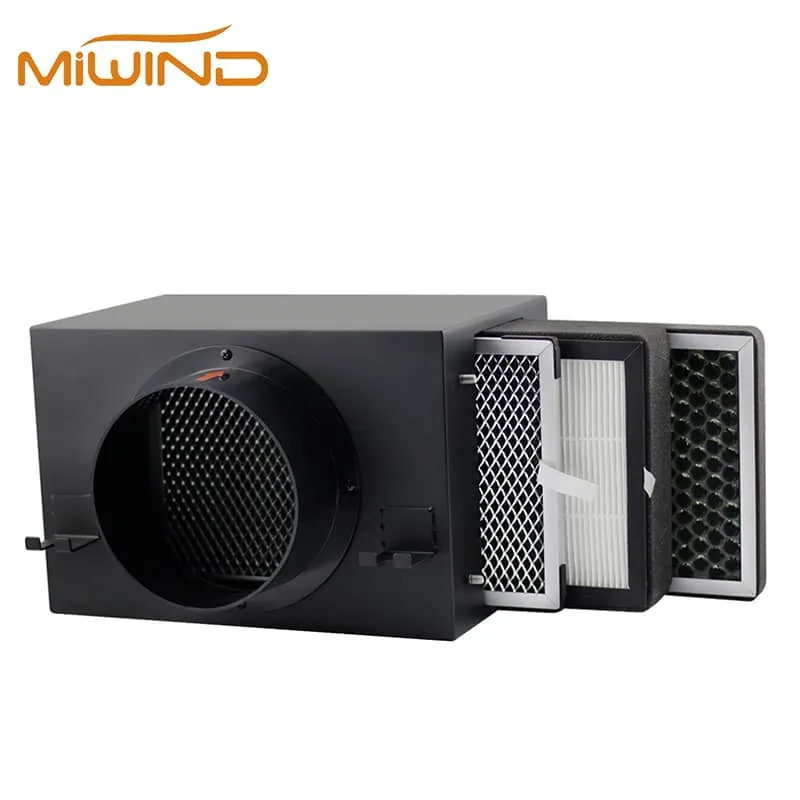
For kitchen-adjacent constraints, review commercial kitchen airflow support. For fresh-air and filtration equipment context, compare MiWind fresh air and ERV systems. For compact food-service layouts, compare cafe and small commercial ventilation.
MiWind Tool Boundary
Planning tools are useful when they stay in their lane. A room-level airflow calculator can help organize area, ceiling height, and target air movement for support spaces or occupied zones. A duct-pressure estimator can help frame fan-path discussion when the duct route is part of the problem.
Neither tool replaces hood design, code review, or project engineering. Restaurant airflow decisions often involve kitchen equipment, local authority requirements, and pressure relationships that must be checked in the project details.
That said, the tools are still valuable because they help separate a broad complaint from a reviewable set of room inputs. They turn the conversation from 'the kitchen feels wrong' into a more useful set of airflow and layout questions.
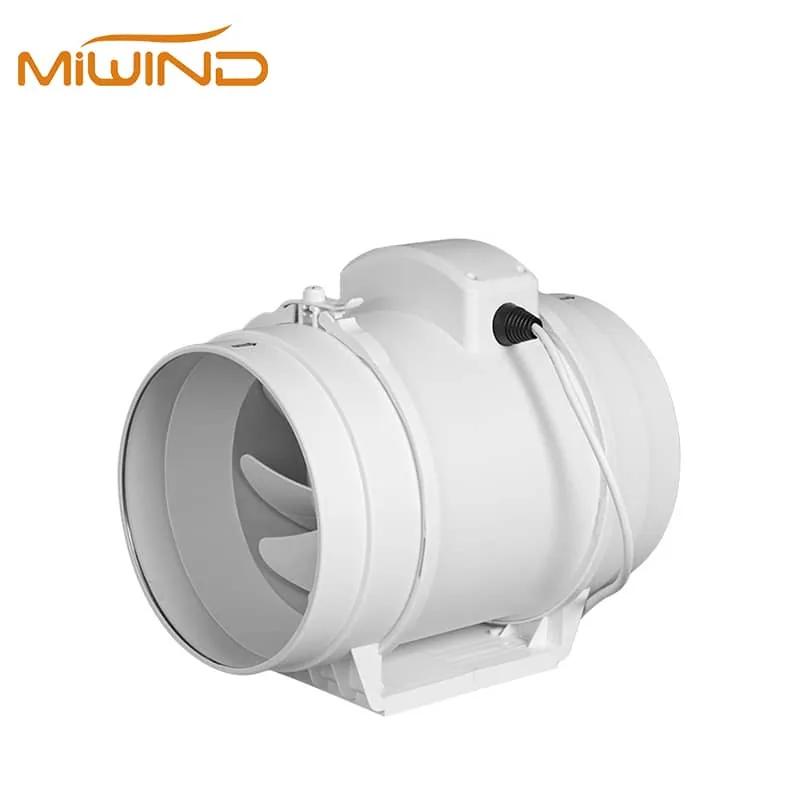
Use CFM and static-pressure inputs carefully. Exhaust CFM, supply or replacement-air CFM, duct diameter, duct length, elbows, filters, dampers, louvers, and terminations should be reviewed together rather than as isolated fan labels.
Restaurant and kitchen airflow planning should be coordinated with the project engineer and local authority when code-governed exhaust or hood systems are involved.
For pressure-path collection, use the duct fan static pressure estimator. For ducted fan options, review MiWind inline duct fans.
Restaurant Ventilation Inputs
Start with a short description of the room sequence: dining area, kitchen, prep, storage, and service zones. Note where the complaint is felt most strongly and whether the issue changed after a fan replacement, hood adjustment, or seasonal weather shift.
Photos help clarify whether the review is about a compact cafe, a separated commercial kitchen, or a mixed-use service zone. If possible, note which doors or transfer paths show the strongest draft and whether there is an existing outdoor-air or replacement-air path already in place.
A stronger RFQ also includes current exhaust equipment notes, approximate exhaust CFM if known, duct route, filter or louver details, operating schedule, and whether the dining room or exterior doors changed behavior after the ventilation upgrade.
- Room list and rough floor sequence
- Where the airflow complaint is strongest
- Existing exhaust path and duct notes
- Whether doors or adjacent rooms show pressure imbalance
- Any known equipment changes that triggered the issue
- Photos of transfer paths, exterior doors, fan location, and service access
A better outcome than simply adding more exhaust
When the project identifies the air-balance problem correctly, the equipment discussion becomes much cleaner. Instead of forcing every complaint into a stronger exhaust fan, the team can decide whether the real need is exhaust support, replacement-air review, transfer-air planning, or a combination.
That is the kind of early article content that helps buyers move forward. It does not pretend to replace kitchen engineering. It gives the owner a practical way to frame the airflow problem before equipment decisions become expensive or difficult to reverse.
When the field package is ready, the RFQ should describe the balance symptom, not just ask for a bigger fan. That gives the reviewer a better chance to route the project toward fresh-air equipment, duct fan support, filter access review, or an engineer-led makeup-air design conversation.
When the layout and symptom notes are ready, request a restaurant ventilation review.