
Air curtain vs strip curtain at cold-room doors
During receiving hours, carts move through the cold-room door so often that the PVC strips get tied back. Frost starts near the threshold, visibility through the strips is poor, and the warehouse team wants a cleaner way to keep traffic moving.
An air curtain may belong in that conversation, but the decision is still a door-management problem. Traffic, temperature difference, humidity, frost risk, hygiene, visibility, and maintenance all shape the equipment path.
Compare the door behavior, not the product label
The air curtain vs strip curtain decision usually starts at a cold-room doorway that is losing condition during busy periods. Staff may be moving carts through the opening, strips may be tied back, frost may be forming near the threshold, or visibility through old PVC strips may be poor. The right comparison is not which product is newer. It is which doorway control method fits the traffic, hygiene, temperature, and maintenance reality of the facility.
Strip curtains create a physical barrier. Air curtains create a directed air stream across the opening. Both can support separation, but neither should be selected from product type alone. Cold-room doors need a separate review because temperature difference, humidity, frost risk, product sensitivity, and door cycle frequency can change the equipment direction.
A procurement note should state whether the current problem is energy loss, frost, sanitation, traffic delay, product movement, or worker visibility. Those are different decision drivers and they can point to different equipment paths even when the door width is identical.
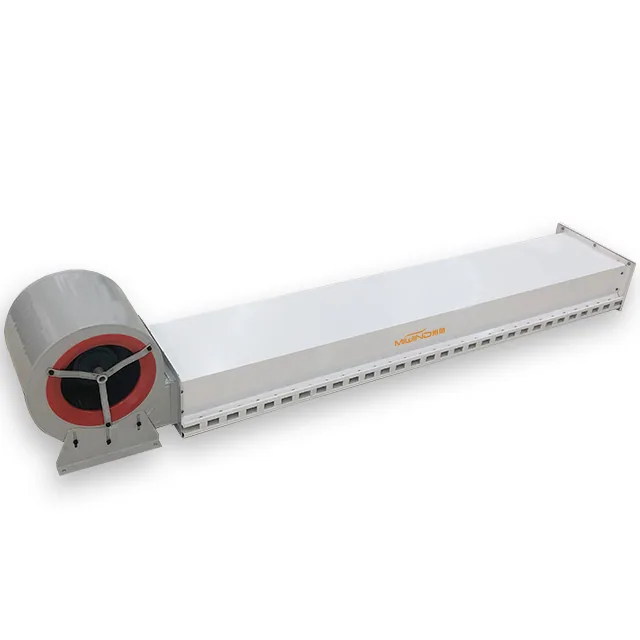
For peak-hour doorway behavior, read the cold room door traffic review. For doorway-specific inputs, start with the cold-room door application guide.
Diagnose traffic, frost, and hygiene first
Start by observing the doorway rather than comparing catalog descriptions. A low-traffic storage door may tolerate a simple physical barrier. A higher-traffic opening may need clear passage, better visibility, and less contact with product or staff. Some projects review both methods when temperature separation and traffic flow both matter.
Frost and condensation deserve special attention. If warm humid air repeatedly enters the cold space, any doorway treatment should be reviewed with the project team before a product decision is made. The barrier choice should not hide a deeper operating issue such as excessive door-open time, damaged seals, or an unsuitable traffic pattern.
Hygiene is part of the same diagnosis. Flexible strips can become scratched, cloudy, damaged, or difficult to clean. Air curtains require equipment access, intake cleaning, and electrical review. The better choice depends on which maintenance routine the facility can actually sustain.
Track door cycles during the busiest receiving window, not only across the day. A door that cycles heavily for two hours can create a more demanding operating condition than a low average count suggests.
| Factor | Air curtain | Strip curtain |
|---|---|---|
| Traffic | Keeps the opening clear for staff and carts. | Can slow movement when strips are heavy or cold. |
| Visibility | Leaves a clear doorway. | May reduce visibility through worn or cloudy strips. |
| Cleaning | Requires equipment and intake maintenance. | Requires strip cleaning and replacement. |
| Temperature separation | Depends on air stream coverage and site conditions. | Depends on strip overlap and user behavior. |
| Comfort | Supports draft control at the doorway. | Creates a physical contact point at passage. |
Sizing logic for a cold-room doorway review
A cold-room review should capture more than door width. Collect finished door width, clear height, mounting height, cold-room temperature, adjacent-room temperature, approximate relative humidity if known, door cycles per hour, cart or pallet movement, frost observations, available voltage, and mounting photos.
For an air curtain, door coverage and mounting height frame the first sizing discussion, while temperature difference and humidity frame the risk discussion. For strip curtains, overlap, strip condition, user behavior, and replacement routine determine whether the physical barrier is still doing its job.
Cold-room air curtain selection should also note where the unit can actually mount. Header depth, door hardware, sprinkler clearance, swing or sliding-door geometry, and service access can limit a theoretical recommendation before airflow is discussed.
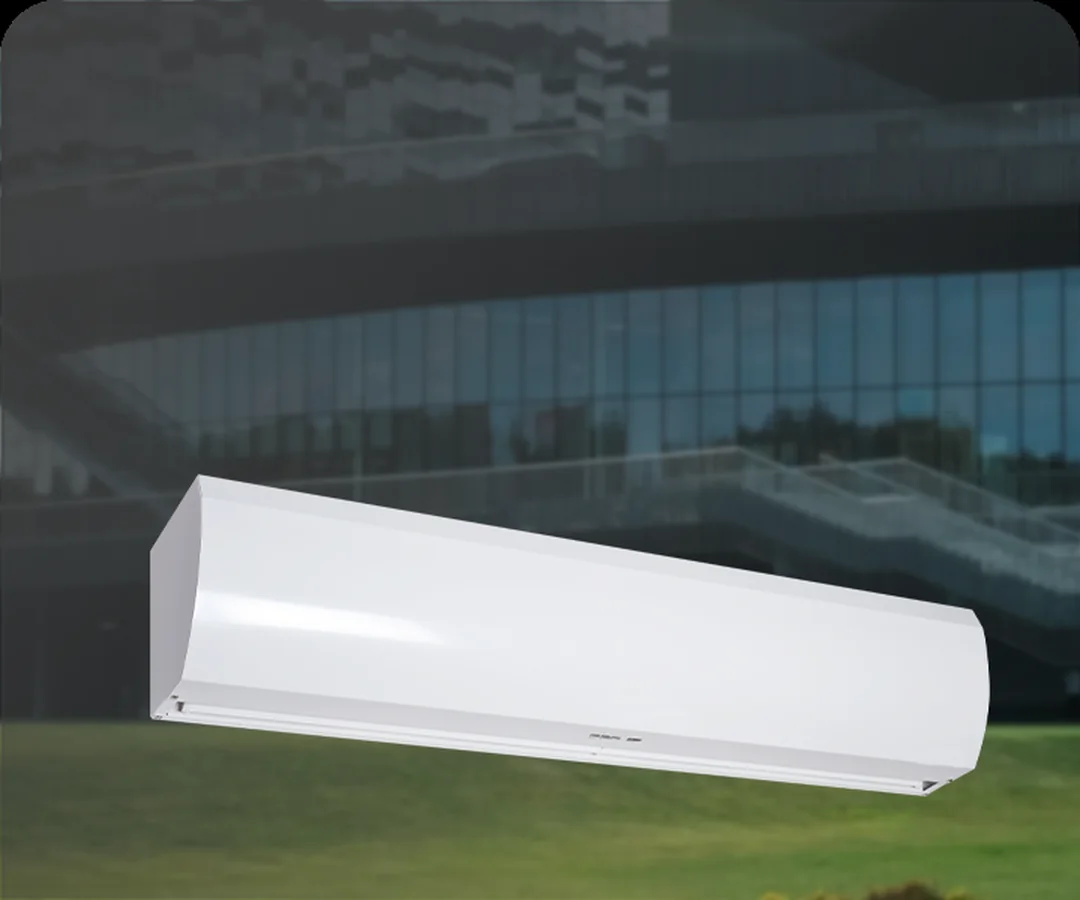
an air curtain may belong in the review
Review a cold-storage air curtain when staff or carts pass frequently, visibility matters, contact with strips is undesirable, or the facility wants a clearer doorway. The air curtain path should still be checked against temperature difference, frost risk, mounting condition, and available power.
a strip curtain may still be enough
Strip curtains can be practical where the doorway is small, traffic is light, staff accept the barrier, and routine cleaning or replacement is realistic. If strips are tied back, damaged, or avoided, the actual operating condition no longer matches the intended barrier.
the project may need both paths reviewed
Review both options when the door is mission-critical, traffic is heavy, frost is visible, or sanitation and temperature separation are both priorities. In that case, the RFQ should ask for a project request instead of forcing a simple product substitution.
For air curtain length and mounting checks, use the air curtain sizing calculator. For early doorway planning, reference the air curtain sizing chart.
Equipment recommendation path
Use strip curtains as the first option when the door is lightly used, the barrier can remain in place, and maintenance accepts periodic cleaning and replacement. Compare an air curtain when a clear opening, faster passage, less contact, or better visibility has operational value. Check both options when the opening is important enough that traffic flow and temperature separation must be balanced together.
For food, warehouse, and prep environments, the practical tradeoff is often not first cost alone. It is whether the doorway treatment remains usable through a full shift. A barrier that looks adequate on paper can fail in operation if staff regularly move it aside or if product traffic makes the opening difficult to use.
Escalate the RFQ when the opening is a freezer door, the adjacent space is humid, frost is already visible, or the door supports frequent pallet traffic. Those conditions require a conservative review because the wrong doorway treatment can move the problem into icing, visibility, maintenance, or product-handling risk.
For freezer or high-temperature-difference openings, review condensation and frost risk with the project team before selecting any doorway treatment.
For equipment context, review the cold-storage air curtain series. For broader air curtain options, compare MiWind air curtain products.
Doorway decision
Choose between an air curtain and a strip curtain by diagnosing the doorway first: traffic frequency, door-open behavior, temperature difference, humidity, frost risk, cleaning routine, visibility, and maintenance discipline. Then match the equipment path to the operating reality rather than to a broad product preference.
Before requesting a recommendation, send finished door size, room temperature, adjacent temperature, traffic estimate, cart or pallet notes, visible condensation or icing, voltage, and mounting photos. That short field package gives the distributor enough context to review the cold-room doorway and prepare an RFQ path.
Before quoting, collect the site inputs listed in the cold-room door application guide. When photos and operating notes are ready, request a cold-room doorway equipment selection.