
Door traffic record
The walk-in cooler door is only 42 inches wide, but width is not the hard part. Staff push carts through it every few minutes during prep and receiving, frost appears near the frame after lunch service, and the door often stays open while products are staged.
Before narrowing the air curtain series, record the doorway as an operating condition: how often it opens, how long it stays open, what traffic passes through it, and what moisture or frost appears around the frame.
In practice, cold room air curtain sizing still begins with door width and height, but freezer-adjacent doorway review also needs traffic, frost, humidity, mounting, and current model documents.
A cold air curtain or cold store air curtain request should include traffic, adjacent-room humidity, mounting clearance, and current model documents before any temperature-separation claim is used.
Diagnose the doorway as an operating threshold
A cold-room opening is not just a smaller version of a retail entrance. The doorway separates different temperature and moisture conditions, and repeated traffic can break that boundary many times per hour. The air curtain selection should begin with how the door behaves during a real shift.
Classify the door as light-access, staff-access, cart-access, pallet-adjacent, or receiving-heavy. Record the number of cycles during peak periods and the typical time the door remains open. A door that opens 10 seconds at a time is different from a door held open for staging or loading.
This operating threshold view helps the buyer avoid selecting by width alone. Door size matters, but traffic pattern tells the reviewer how hard the air curtain must work to support separation.
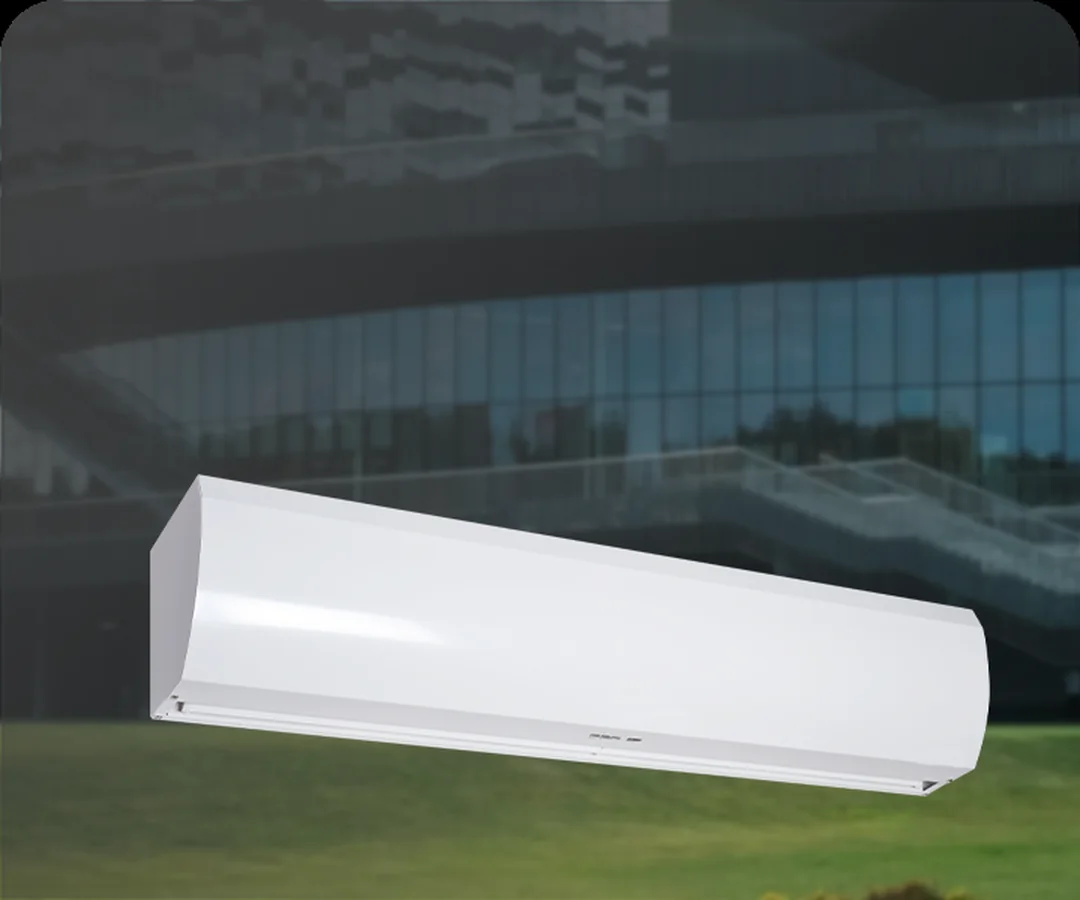
For the application checklist, review cold room door air curtain inputs. For early door sizing, start with the air curtain sizing calculator.
Measure door cycles, open time, and traffic type
Opening frequency and open duration are the two traffic numbers that change the selection conversation fastest. A door that opens occasionally for staff inspection may need a different review from a door that cycles constantly during receiving, product staging, prep, or warehouse movement.
Traffic type matters because people, carts, hand trucks, and pallet movement disturb the air path differently. Slow rolling traffic can keep the doorway open longer and interrupt the air stream more than quick staff passage. If traffic queues at the door, the opening may behave like an active work zone rather than a simple access point.
Capture the busiest hour, not only the average day. Peak periods often reveal frost, condensation, comfort complaints, and slower temperature recovery that are hidden in daily averages.
| Traffic condition | Selection risk | What to record |
|---|---|---|
| Occasional staff access | Air separation demand may be intermittent. | Daily cycle count and typical open time |
| Regular cart traffic | Rolling loads can interrupt the discharge path. | Cart height, width, speed, and open duration |
| Receiving or staging | Door may remain open long enough to lose separation. | Peak-hour cycles, staging time, and queueing |
| Warehouse-to-cold-room flow | Surrounding airflow and humidity may affect frost risk. | Adjacent room temperature, humidity, and dock activity |
For doorway measurement language, compare the air curtain sizing chart. For larger surrounding airflow context, review warehouse ventilation applications.
Temperature and Frost Risk
Door traffic should be reviewed together with temperature difference and moisture exposure. A lightly used cooler door near a conditioned corridor is a different problem from a busy freezer-adjacent opening facing a warmer, humid prep area.
Visible frost, condensation, wet floors, fogging, product-area discomfort, or slow temperature recovery are field signals that the opening is already under stress. They do not automatically prove one air curtain model is correct, but they tell the reviewer that the operating condition is more demanding than a simple doorway dimension.
Cold-room planning should stay conservative. Air curtains support separation at openings, but final cold-storage performance depends on door discipline, room load, infiltration, surrounding humidity, refrigeration capacity, mounting quality, and model-level equipment data.
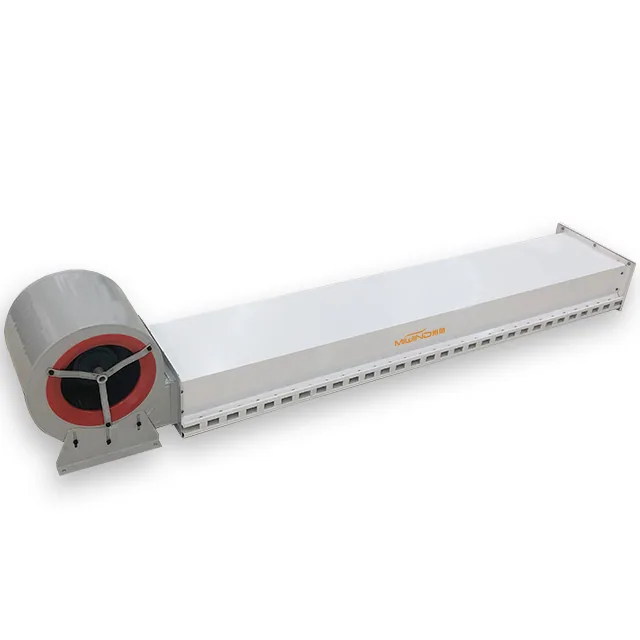
For cold-storage Product details, review the cold storage air curtain series page. For terminology around airflow and separation, reference the air movement glossary.
Check mounting height, header clearance, and service access
A cold-room door often has less forgiving mounting conditions than a storefront entrance. Header panels, sliding door hardware, insulation thickness, strip curtains, sensors, conduit, and low ceiling structure can all limit where the air curtain can sit.
Air curtain size for a cold-room or freezer-adjacent doorway should combine finished door width, clear height, actual mounting height, header clearance, side obstruction, door cycle pattern, and traffic type.
Measure finished door width, clear opening height, actual mounting height, header clearance, side clearance, and available service side. If the unit cannot sit close enough to the opening or discharge cleanly across the width, the door may need layout changes before model selection.
Service access matters because cold-room equipment may face condensation, cleaning, and tighter installation space. The RFQ should show whether technicians can reach the unit, controls, wiring, and mounting hardware after the door is in operation.
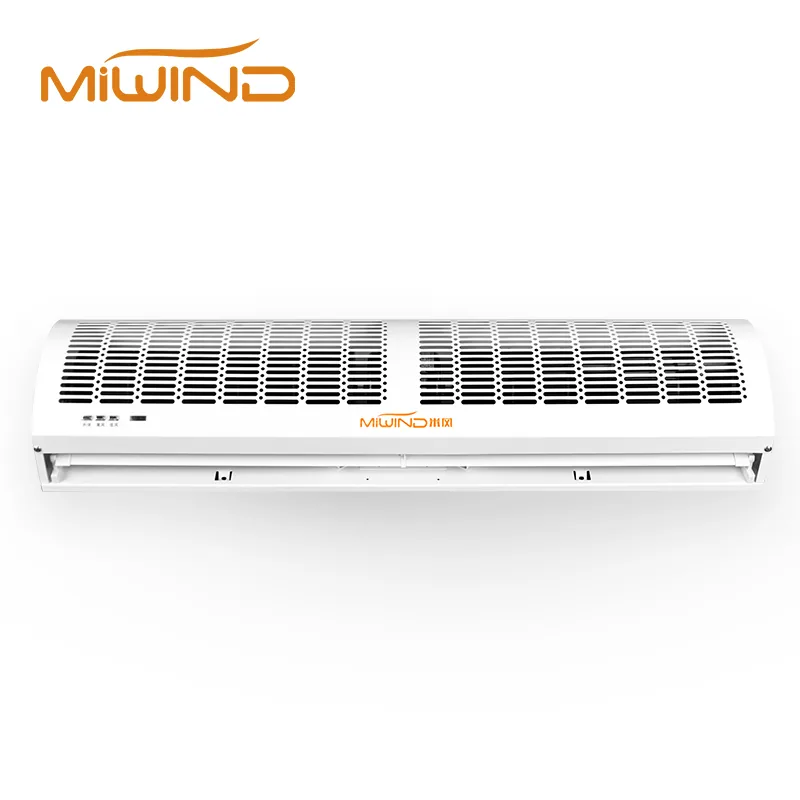
For broader air curtain family comparison, review MiWind air curtain products. For common sizing inputs, use the air curtain sizing calculator.
Traffic-Based Comparison
Some cold rooms already use strip curtains, while others consider air curtains as an alternative or support measure. That comparison should wait until door traffic is described. Heavy cart traffic can damage or displace strips, while poor door discipline can also reduce the value of an air curtain.
The real question is how the opening is used: frequent pedestrian passage, rolling carts, staged loading, forklift-adjacent movement, or occasional staff access. Once that is visible, the project can compare air curtains, strip curtains, door procedure, or combined approaches more realistically.
For cold-storage applications, avoid treating either option as a universal fix. The decision should include temperature difference, moisture load, cleaning needs, obstruction risk, maintenance, and how long the door actually stays open.
For a detailed comparison, read air curtain vs strip curtain for cold rooms. For commercial doorway sizing fundamentals, see how to size an air curtain for a commercial entrance.
Prepare an RFQ that shows the real doorway
A strong cold-room air curtain RFQ includes measurements and operating evidence. Send finished door width, clear opening height, mounting height, header and side clearance, door type, traffic count, peak-hour open time, traffic type, cold-room temperature, adjacent temperature, visible frost or condensation, voltage, controls, and photos.
Photos should show the full doorway, header, side clearances, existing strip curtain or door hardware, ceiling obstructions, traffic path, and any frost or moisture at the frame. If carts or pallets pass through the opening, include their approximate height and width.
When those details are visible, the reviewer can decide whether cold-storage air curtain selection, broader air curtain family comparison, or a doorway operation discussion is the right next step before equipment is chosen.
- Finished door width, clear opening height, and mounting height
- Peak-hour door cycles and average open duration
- Traffic type: staff, carts, hand trucks, pallet movement, or staging
- Cold-room temperature, adjacent temperature, humidity or moisture signs
- Frost, condensation, fogging, wet floor, or slow recovery notes
- Header clearance, side clearance, voltage, controls, and service access photos
When the doorway photos and traffic notes are ready, request a cold-room air curtain recommendation.
Cold-room selection handoff
Cold room door traffic review before air curtain selection should combine door cycles, open time, traffic type, temperature difference, humidity exposure, frost risk, mounting height, header clearance, service access, voltage, and controls.
Door width and height are still required, but they are not enough. A doorway with carts, staging, frost, and long open periods needs a different review from a light-access cold-room door with short, disciplined openings.
Cold-room air curtain RFQ handoff should connect air curtain sizing calculator, air curtain sizing chart, cold-room door application guide, cold-storage air curtain series, and current model documents.
Cold-room air curtain selection should stay tied to the actual door operation and selected model values, not door size alone.
Organize doorway dimensions with the air curtain sizing calculator. Compare cold-storage doorway notes against the air curtain sizing chart.