

Entrance measurement brief
A glass storefront door opens all day, the checkout counter sits close to the threshold, and the contractor only has one number in hand: door width. Missing mounting height, traffic pattern, heating requirement, voltage, and header photos can send the air curtain quote in the wrong direction.
Treat the first pass like an air curtain size worksheet. Capture the opening, identify the complaint, then decide whether the entrance needs standard separation, heated comfort support, or a stronger commercial series.
Name the doorway problem
A commercial air curtain sizing review should begin with the facility complaint: hot outdoor air entering the lobby, cold drafts at the checkout counter, insects near the threshold, or dust entering during repeated door cycles. Those symptoms tell the reviewer what the air curtain is expected to help manage.
The first decision is not model number. The first decision is whether the opening needs basic separation, comfort support, or a higher-duty commercial review. A door that opens twice an hour for staff is not the same problem as a customer entrance that cycles all afternoon.
The field note should identify who owns the outcome: the contractor may care about mounting and wiring, the facility manager may care about drafts and insects, and the buyer may care about matching the RFQ to the correct series without creating unsupported performance claims.
- Measure finished door width and clear opening height.
- Measure mounting height from finished floor to the planned unit location, not only the door frame.
- Note whether the opening is exterior, vestibule-protected, service-only, kitchen-adjacent, or cold-room adjacent.
- Record available voltage, heating preference, door-switch expectation, and photos of the header condition.
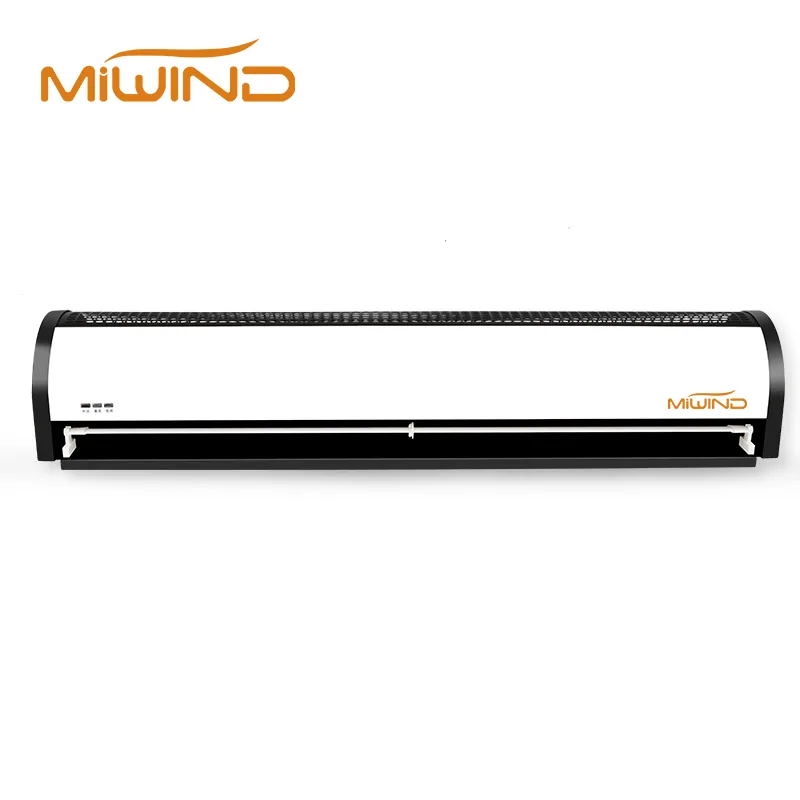
For first-pass measurements, organize the opening in the air curtain sizing calculator. For product range context, compare MiWind air curtain equipment families.
Diagnose the entrance
Two entrances can share the same width but need different equipment selection once mounting height, exposure, and traffic are included. Door width sets the coverage target; mounting height describes the discharge reach; exposure and traffic define how hard the doorway is to protect.
Header conditions deserve the same attention as dimensions. A recessed mounting point, limited clearance, overhead door hardware, or a position above the preferred height can change the practical equipment direction before the electrical discussion begins.
A useful field worksheet separates fixed conditions from operating conditions. Fixed conditions include width, height, header clearance, power, and wall construction. Operating conditions include door-open frequency, vestibule use, wind exposure, customer comfort, insects, dust, and whether the door is normally propped open during deliveries.
Door width and coverage
The air stream should cover the full finished opening. If the finished width falls between available lengths, round up for review rather than leaving uncovered edges at the jambs.
Mounting height and discharge reach
Mounting height is often more important than nominal door height because it describes how far the air stream must travel before reaching the floor. Taller or more exposed openings need closer review against the selected series data.
Exposure and traffic
Exterior wind, frequent door cycles, delivery traffic, and customer comfort expectations all raise the importance of site context. A quiet vestibule entrance and a wind-facing storefront should not be treated as the same sizing problem.
Electrical and control assumptions
Record available voltage, phase, preferred switching, and whether the owner expects the air curtain to operate continuously or from a door switch. Heated units need this earlier than unheated units because electrical capacity can decide whether the preferred comfort option is practical.
| Input | Why it matters | Selection note |
|---|---|---|
| Door width | Sets the minimum air curtain length. | Avoid undersizing the discharge span. |
| Mounting height | Changes delivered air stream at the floor. | Use finished-floor height to the planned unit location. |
| Exposure | Outdoor wind, vestibules, and door traffic change the review. | Photos help the review more than a written note alone. |
| Heating need | Comfort heating affects power and controls. | Confirm voltage and electrical allowance early. |
| Controls | Door switches, remote controls, and interlocks affect wiring. | Separate basic on/off needs from project controls. |
Apply sizing logic
Use door width as the coverage starting point, then use mounting height and exposure to decide how conservative the review should be. A low interior opening may only need a standard commercial air curtain selection. A taller exterior entrance, a frequently opened retail door, or an entrance with carts and deliveries may need a stronger series or a closer application review.
Heating is a separate decision. Review a heated model when the project needs comfort at the entrance, not simply because the door is exterior. Heated units require earlier voltage, phase, circuit, and control checks. If the site cannot support the electrical requirement, the practical answer may be an unheated air curtain with a separate heating strategy.
Cold-room openings should be reviewed separately because temperature difference, condensation, frost risk, and opening frequency change the doorway problem.
Do not use a single CFM target as the only selection rule. air curtain selection depends on outlet velocity profile, discharge direction, mounting height, doorway width, and site exposure. The buyer should request the exact series data before treating any airflow number as suitable for a submittal.
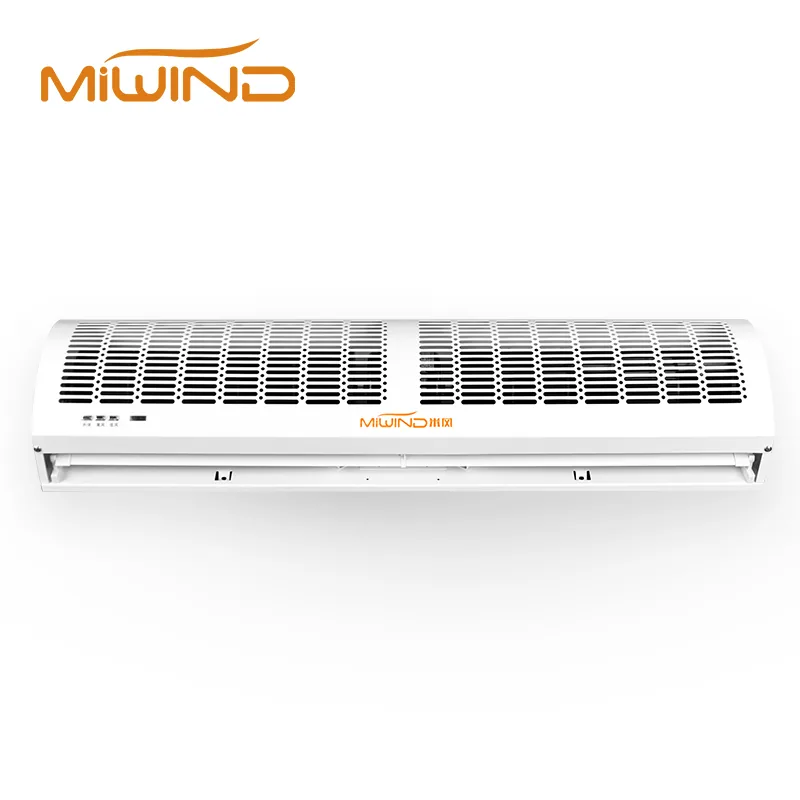
For storefront projects, check the facility context on the retail entrance application page. For temperature-separated openings, use the cold-room door application guide. For cold rooms already using PVC strips, compare air curtain vs strip curtain choices. For frequent cooler or freezer door cycles, read the cold room door traffic review. For early range planning, keep the air curtain sizing chart.
Equipment recommendation path
For a 42 inch wide retail entrance with mounting height under 9 ft, start by selecting a coverage length that spans the finished opening. Then confirm whether the project needs unheated separation, heated doorway comfort, or a more robust commercial review because of exposure and traffic.
For distributor communication, the recommendation package should include door width, clear opening height, mounting height, voltage, heating need, traffic description, exposure notes, and photos. That package lets the reviewer compare the request with series limits and installation details without overpromising a result from a single dimension.
Escalate the review when the entrance has unusually high traffic, wind exposure, a recessed mounting point, a tall opening, repeated cart movement, or a customer comfort complaint that could involve heating. Keep the review conservative when the request lacks power information or site photos.
Planning examples do not certify performance. Final selection should be checked against project conditions and the selected model table.
When heat is part of the brief, compare the A3 heated air curtain series. When the opening needs a stronger centrifugal review, compare the X5 centrifugal air curtain series.
Selection handoff
A good commercial air curtain selection starts with the facility problem, then moves through door coverage, mounting height, exposure, heating need, controls, and electrical fit. The goal is not to guess a final model from doorway width alone. The goal is to prepare a review package that a contractor, distributor, or procurement team can check against product data.
Use the calculator to organize the first-pass doorway inputs, then send measurements, site photos, voltage, heating preference, quantity, and project timeline with an RFQ.
Organize the project inputs in the air curtain sizing calculator. When the field package is ready, send it through the commercial air curtain RFQ page.