
Entrance energy question
The entrance faces a hot parking lot in summer and a cold sidewalk in winter. During peak hours the door cycles constantly, staff feel drafts near checkout, and the owner asks the question most vendors answer too quickly: will an air curtain reduce entrance energy loss?
The honest answer depends on the doorway. Air curtains can support entrance energy control when door traffic, exposure, mounting height, controls, and model data are reviewed; final value is site-specific. Review separation first, then evaluate project value.
Energy loss starts with the opening condition
An air curtain does not change the fact that a commercial entrance opens to outdoor air. What it can do is help manage the boundary at the doorway so the conditioned space is not exposed in the same way every time the door cycles.
That is why the energy question should not be treated as a simple yes-or-no claim. The answer depends on the entrance itself: door width, mounting height, wind exposure, traffic frequency, and whether the owner is trying to stabilize threshold comfort, limit drafts, or moderate repeated outdoor-air entry during operating hours.
In planning meetings, avoid the shortcut question of whether an air curtain magically saves energy on every site. Ask instead whether the entrance problem is substantial enough that a properly reviewed doorway treatment can help the building hold more stable conditions near the opening.
Keep the scope clear. A doorway air curtain can support separation at the opening; it should not be written as a utility-bill forecast or a substitute for building HVAC design. Final value depends on climate, operating hours, door behavior, nearby HVAC layout, and selected model data.
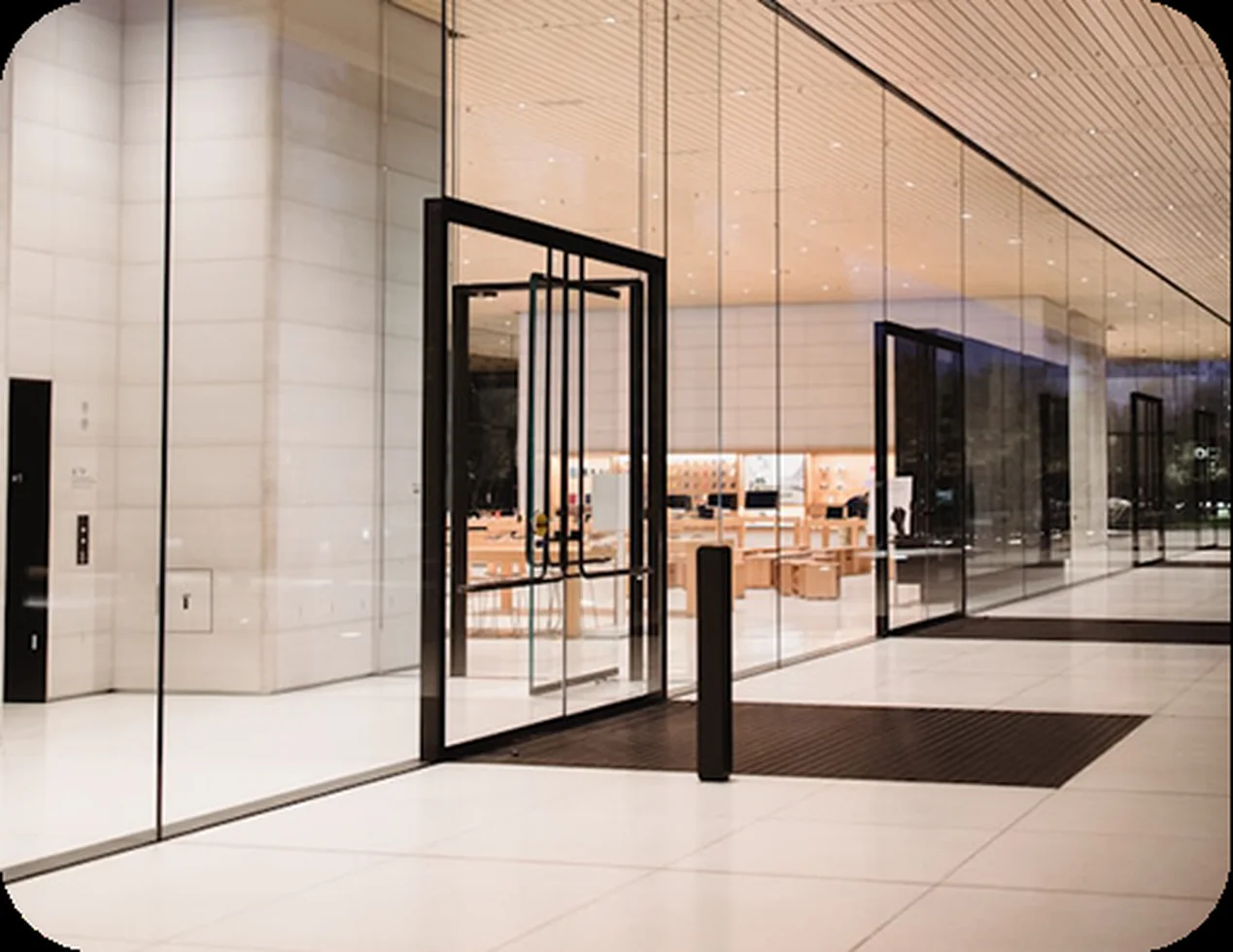
For customer-facing entrance inputs, start with the retail entrance application page. For first-pass doorway dimensions, use the air curtain sizing calculator.
the energy discussion makes sense
The energy conversation is strongest at entrances that open often, face outdoor exposure directly, or create regular comfort complaints near the threshold. In those cases, the opening is not just a circulation point. It becomes part of the building's daily environmental load.
Retail doors, cafe entrances, and service entries with frequent traffic are common examples. Even when the mechanical system deeper in the space is working normally, the entrance can still create repeated drafts, uneven temperature at the front zone, and higher demand on nearby conditioning equipment.
If the doorway is lightly used or protected by a vestibule, the equipment direction may be different. That does not make the air curtain irrelevant, but it does mean the buyer should weigh the opening condition carefully before turning the discussion into a broad energy claim.
Document door-open behavior during peak periods. A door that cycles frequently for two hours can create a more demanding entrance condition than an average daily count suggests.
| Doorway condition | Why it affects the energy discussion | Early review focus |
|---|---|---|
| Frequent customer traffic | The entrance opens repeatedly during operating hours. | Traffic pattern and opening width |
| Direct outdoor exposure | Wind and outdoor conditions can increase infiltration at the threshold. | Mounting height and exposure |
| Draft or comfort complaints | Local discomfort often signals repeated air exchange near the door. | Heated versus unheated review |
| Vestibule-protected entry | The opening may already have some buffering from outdoor air. | Whether the doorway still needs active separation |
selection details matter more than broad promises
Energy-related value depends on whether the air stream actually matches the opening. A unit selected by width alone can miss the real doorway condition if the mounting height is too high, the exposure is stronger than expected, or the traffic pattern is more demanding than the label suggests.
That is also why some owners feel disappointed after treating the product as a simple add-on. If the doorway review never included mounting condition, controls, and how the entrance is used, the product may not be asked to solve the right problem.
A disciplined review keeps the discussion professional. Instead of promising a universal savings result, it connects the doorway condition to product family, heating need, control method, and the operating pattern that shapes the entrance load.
Controls matter because run time matters. Door switches, remote control, speed settings, heated mode, and staff behavior can all affect whether the unit operates when the entrance actually needs separation.
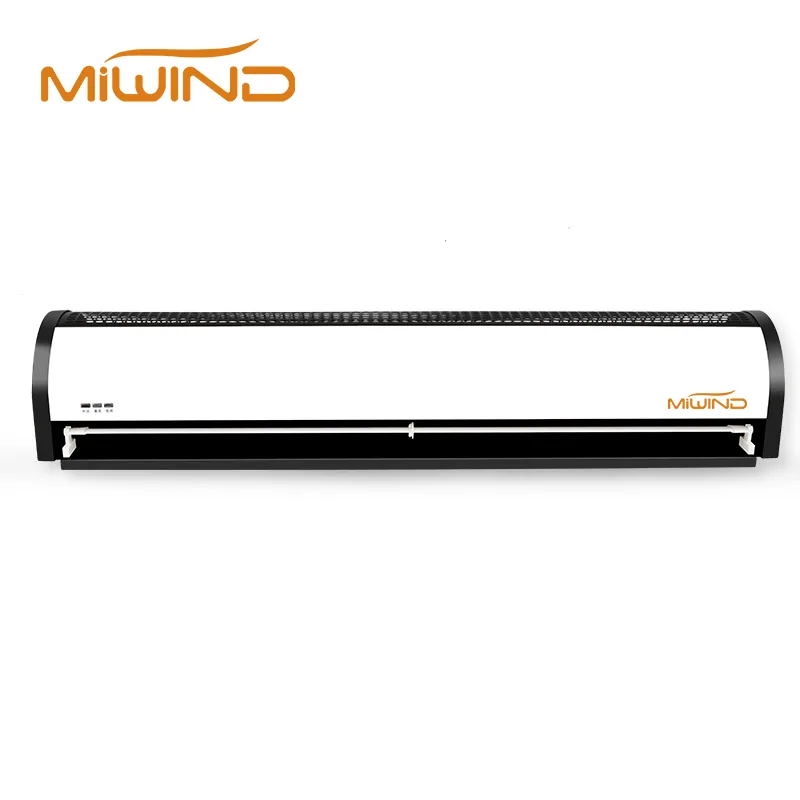
For product-family comparison, review MiWind air curtain equipment. For early range planning, reference the air curtain sizing chart.
Energy Claim Boundary
A practical planning review looks at whether the entrance currently allows repeated drafts, temperature swing, or obvious outdoor-air entry into a conditioned zone. When the doorway shows drafts, temperature swing, or repeated outdoor-air entry, start with air curtain sizing and retail entrance review before asking for savings math.
That kind of review is different from publishing a universal payback number. Real buildings vary by climate, operating schedule, nearby HVAC layout, door cycle pattern, and owner expectations. A storefront that opens constantly on a windy corner behaves differently from a small lobby with moderate traffic.
The most useful planning guidance is to help the buyer judge where the doorway deserves attention. Once the entrance inputs are clean, the project team can compare product direction against operating hours and local energy priorities more realistically.
If the owner needs a payback calculation, the field package should go beyond the air curtain request. It should include operating schedule, energy rates, HVAC system context, measured door behavior, climate assumptions, and the selected model. Without those inputs, keep the project language focused on practical entrance-control support.
Planning discussion around entrance energy should stay tied to doorway conditions and operating pattern. Final project value depends on the building, schedule, and selected equipment family.
Entrance Review Inputs
A short entrance brief makes the energy discussion far more useful. Collect finished door width, clear opening height, mounting height, whether the entrance faces weather directly, whether people complain about drafts near the door, and how often the entrance opens during normal business periods.
If the owner is also considering a heated air curtain, note whether the goal is threshold comfort or broader entrance separation. Those are related but not identical objectives, and they can shift the product direction.
Heated review should include voltage, phase, circuit capacity, control method, and whether the existing HVAC system is expected to provide most of the space heat. Treat heat as doorway comfort support, not as a primary heating-system replacement.
- Door width and clear opening height
- Mounting height from finished floor
- Outdoor exposure and traffic pattern
- Comfort complaint, insect concern, or general separation priority
- Heated or unheated preference
- Voltage, controls, and photos of the header condition
When heat is part of the brief, compare the A3 heated air curtain series. For small storefronts and cafes, review the cafes and small commercial spaces application page.
Practical Next Step
If the doorway already behaves like a weak point in the building, start with the opening review rather than the savings estimate. Confirm the physical dimensions, describe the traffic pattern, and compare whether a standard entrance unit, a more robust commercial series, or a heated option belongs in the discussion.
That approach gives the owner something more useful than a headline claim. It identifies whether the doorway is likely to benefit from a better boundary treatment and whether the installation conditions support that direction in the first place.
Entrance energy review should hand off to air curtain sizing, retail entrance planning, heated air curtain comparison, and current model documents. The RFQ should include door width, clear height, mounting height, exposure, traffic pattern, operating schedule, heated or unheated preference, voltage, controls, photos, and whether the owner wants comfort support, insect reduction, dust control, or energy-related entrance stabilization.
Organize the doorway package in the air curtain sizing calculator. When the entrance notes are ready, request an air curtain entrance review.