
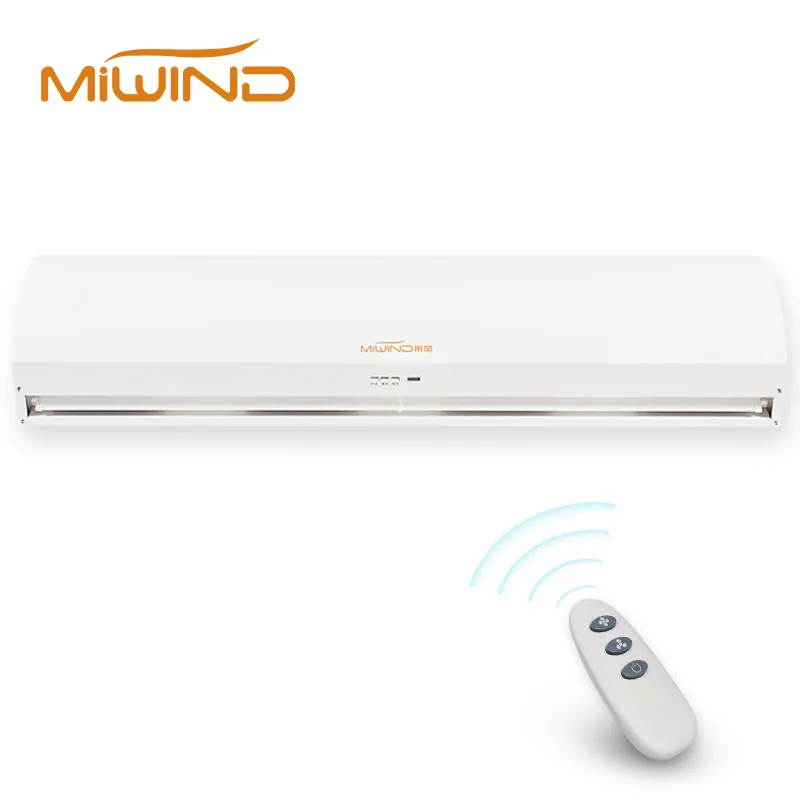
Storefront versus service door
One request is for a 42 inch storefront door. The next is for a taller service entrance at the back of the same building. Both buyers ask for a fan-type recommendation, but the two openings do not ask the air curtain to do the same job.
Cross-flow vs centrifugal air curtains is a useful comparison only after doorway duty is clear. Door width, clear height, mounting height, traffic, exposure, sound sensitivity, voltage, controls, header clearance, and service access decide whether cross-flow, centrifugal, heated, or heavier commercial review belongs in the RFQ.
Read the doorway duty
Cross-flow and centrifugal air curtains are often compared as if one fan type is always the better purchase. In a commercial selection conversation, the doorway duty should come first. A controlled storefront, a cafe entrance, a taller service door, and a warehouse opening create different air-stream requirements.
Cross-flow models are often reviewed for standard commercial entrances where the opening height, exposure, and traffic stay moderate. Centrifugal review becomes more relevant when the doorway is taller, the opening is more exposed, or the project needs stronger discharge reach. Final selection still depends on the selected series data.
Treat fan type as a product-family signal, not a substitute for measuring the door. The same buyer should collect width, clear height, actual mounting height, header condition, exposure, traffic pattern, voltage, controls, and nearby occupant sensitivity before asking for a model.

For the door-measurement path, start with the air curtain sizing calculator. For application context, review retail entrance air curtain planning.
cross-flow air curtains usually fit
A cross-flow air curtain direction often fits standard entrances with moderate door height, controlled exposure, and customer-facing design expectations. Storefronts, cafes, small offices, and interior commercial openings are common review contexts when the goal is doorway separation without treating the project like a heavy-duty opening.
That does not mean cross-flow selection is casual. Width still needs to cover the finished opening, mounting height must be within the model's practical range, and the installer must confirm header clearance, wiring path, controls, and service access.
A cross-flow quote should still include door size, mounting height, entrance traffic, whether the door faces outdoors, and whether noise near staff or customers is a concern.
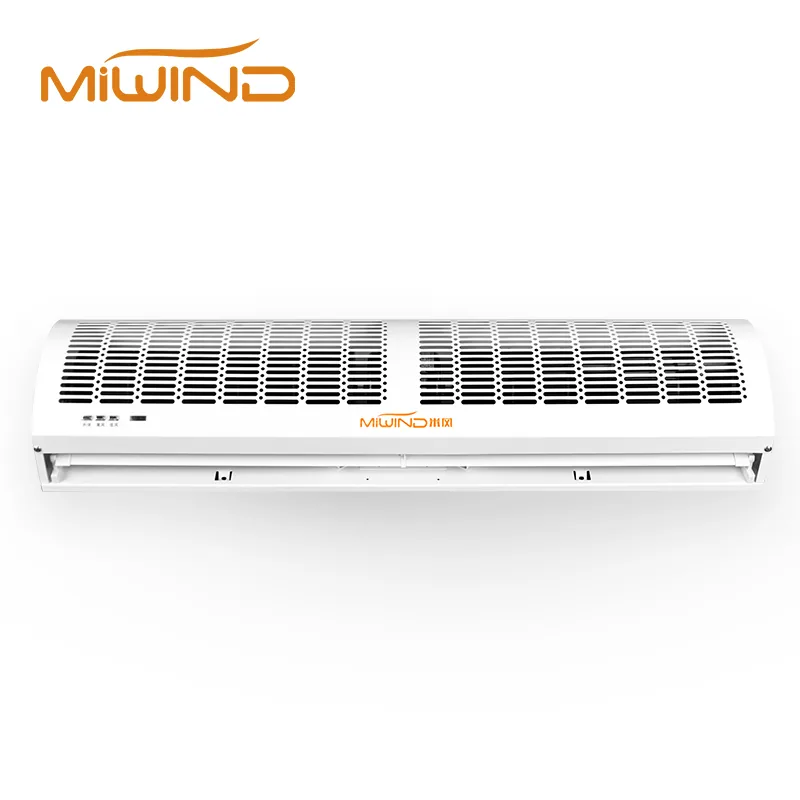
For a representative cross-flow direction, review the Q cross-flow air curtain series page. For small customer-facing spaces, compare cafes and small commercial space applications.
centrifugal air curtains deserve review
A centrifugal air curtain direction deserves closer review when the opening is taller, traffic is heavier, exposure is stronger, or the buyer expects more forceful doorway coverage. Service doors, back-of-house entrances, and demanding commercial thresholds often move the discussion in this direction.
Centrifugal selection still needs guardrails. More force is not automatically the best answer for every busy entrance. Sound expectations, visual impact, header depth, electrical planning, and maintenance access can matter as much as discharge reach.
For taller or exposed doors, ask for the door width, clear height, actual mounting height, wind or pressure exposure, how often the door opens, and whether the entrance is customer-facing, staff-only, warehouse, or service-oriented.
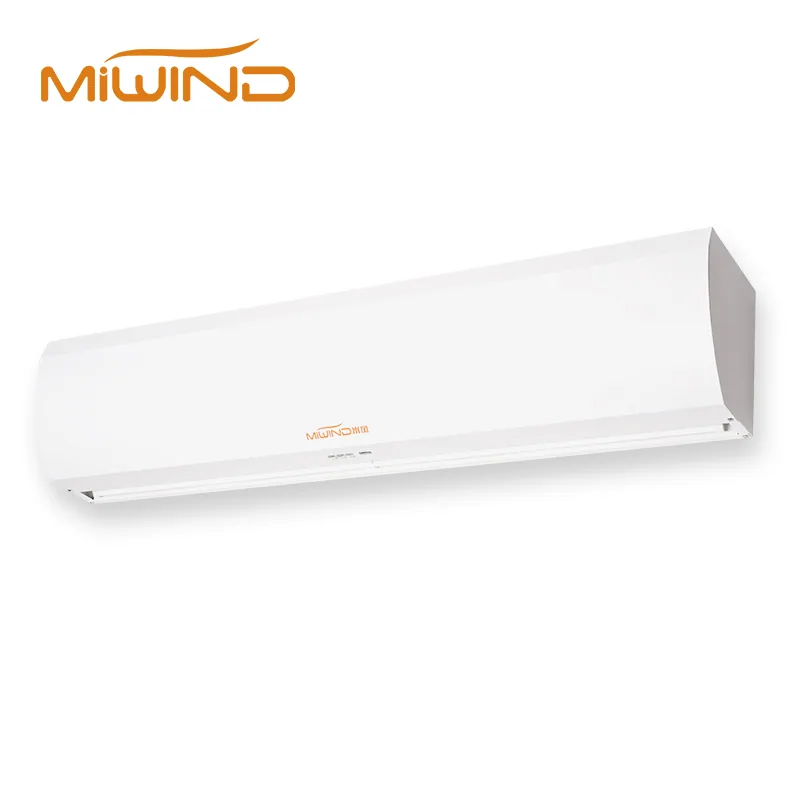
For centrifugal product direction, review the X5 centrifugal air curtain series page. For more demanding openings, compare warehouse ventilation and loading-area applications.
Compare the two directions with project inputs
The comparison becomes clearer when it is organized around project inputs instead of product labels. Doorway height, exposure, traffic, sound sensitivity, and installation space decide which direction should be reviewed first.
A photo or fan name is not enough for procurement. Ask for exact airflow, power, voltage, controls, dimensions, installation limits, and document availability before comparing final options.
| Selection input | Cross-flow direction | Centrifugal direction |
|---|---|---|
| Doorway height | Often fits standard entrance heights when model data supports the mounting position. | More relevant as mounting height or discharge reach becomes more demanding. |
| Traffic and exposure | Good starting direction for controlled storefront and small commercial traffic. | Stronger fit for heavier traffic, exposed service doors, or tougher pressure conditions. |
| Sound sensitivity | Often attractive near customer-facing zones when the duty is moderate. | Must be checked carefully where stronger airflow meets occupied areas. |
| Installation space | Check compact header fit, wiring, controls, and service clearance. | Check casing depth, mounting strength, electrical path, controls, and service access. |
| RFQ proof | Door dimensions plus standard entrance context may be enough for first review. | Needs complete doorway duty, exposure notes, photos, and exact model confirmation. |
For width and mounting references, keep the air curtain sizing chart. For terminology while comparing fan and airflow terms, use the HVAC glossary.
Check mounting, controls, voltage, and service access
A technically suitable fan direction can still fail a project request if the entrance cannot support the installation. Confirm header clearance, wall strength, side obstructions, door operator position, wiring route, voltage, control preference, and maintenance access before treating the selection as complete.
Controls should match the way the door is used. A frequently opened customer entrance, staff door, and warehouse service door may need different activation logic. Door switch, remote control, speed setting, interlock expectation, and operating schedule should be included in the first request.
If heat is expected, the comparison changes again because electrical capacity and comfort intent enter the review. Heated selection should be treated as a specific entrance-comfort question, not as a simple fan-type upgrade.
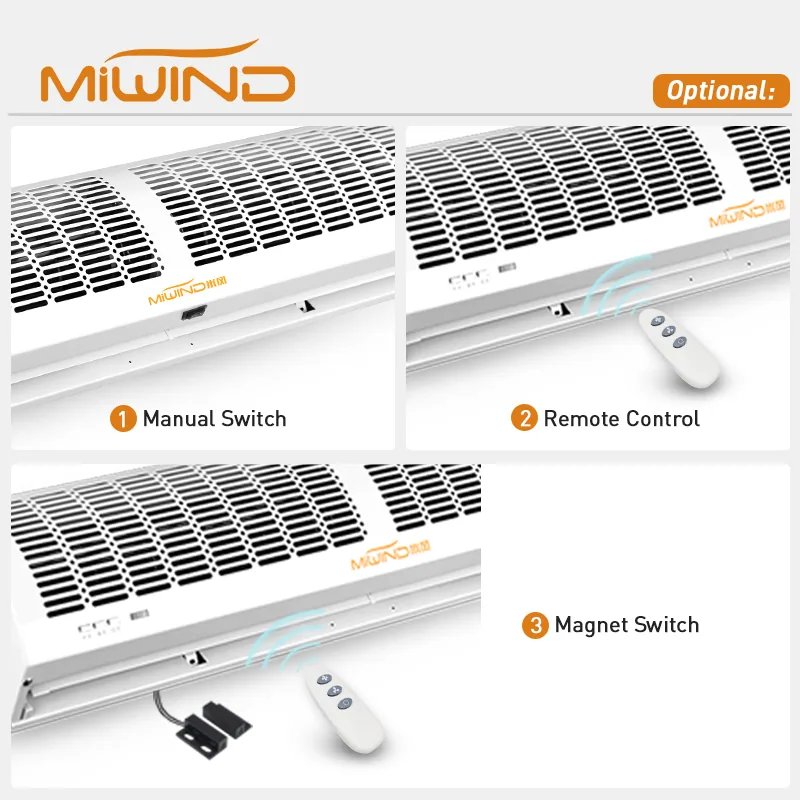
For customer-facing heated entrances, read when a retail entrance needs a heated air curtain. For equipment-family options, compare MiWind air curtain products.
Prepare the air curtain comparison RFQ
The RFQ should not ask only for cross-flow or centrifugal. It should describe the opening, use case, and installation constraints so the distributor can recommend the correct product direction and identify when exact model data is needed.
Include photos of the full doorway, header, side clearance, ceiling condition, door operator, nearby electrical access, and the zone affected by drafts, insects, dust, temperature separation, or customer comfort complaints.
- Finished door width, clear opening height, actual mounting height, and available header space
- Door traffic, open duration, automatic door behavior, and customer-facing or service-door use
- Outdoor exposure, wind or pressure issues, vestibule condition, and seasonal comfort complaints
- Sound sensitivity, visible equipment expectations, voltage, controls, and wiring route
- Service access, wall or header structure, side obstructions, and photos from inside and outside
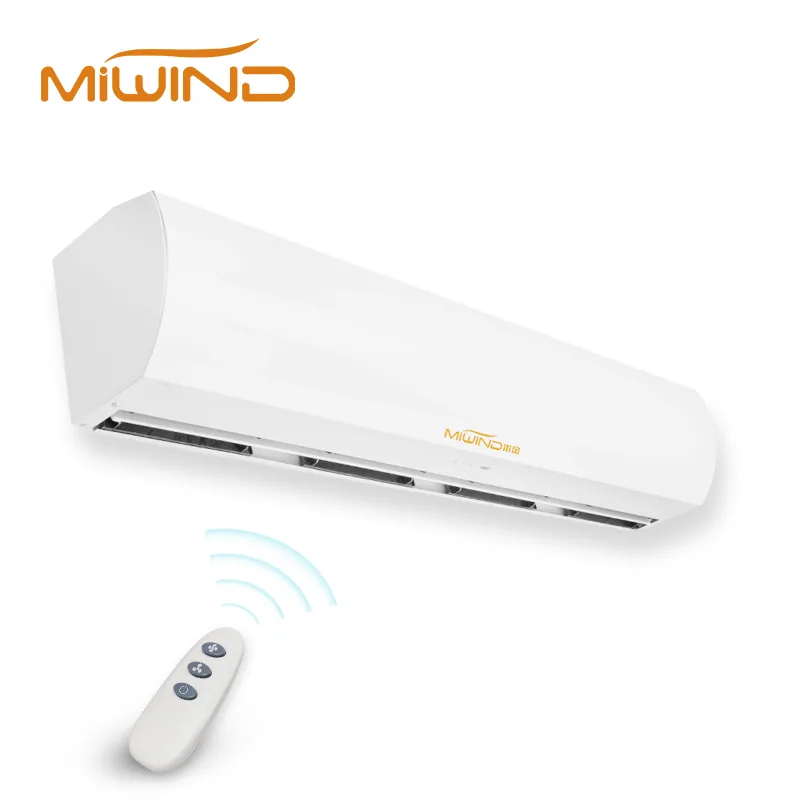
For entrance measurement examples, read how to size an air curtain for a commercial entrance. When doorway data and photos are ready, request an air curtain recommendation.
Doorway family decision
Cross-flow vs centrifugal air curtains is a useful comparison only after the doorway duty is clear. Cross-flow review often fits standard commercial entrances, while centrifugal review becomes more relevant for taller, heavier, or more exposed openings.
Before procurement, verify door width, clear height, mounting height, exposure, traffic, discharge reach, sound expectations, voltage, controls, service access, and selected model data. That turns fan type from a shortcut into a disciplined selection filter.
Air curtain fan type should be reviewed with doorway measurements, exposure, traffic, controls, electrical constraints, and exact model data.
Enter door dimensions in the air curtain sizing calculator. Compare available series on MiWind air curtain products.