
Checkout cold-draft complaint
The door at a convenience store opens every few minutes in winter, and the checkout counter sits close enough for staff to feel each cold draft. The main HVAC system is running, but the front zone still feels exposed.
That is when the entrance may need a heated air curtain selection rather than a simple separation discussion. Door width, mounting height, traffic, exposure, comfort zone, voltage, controls, and unheated-versus-heated intent should be visible before selection.
Diagnose the entrance comfort problem first
A heated air curtain is not the default version of every entrance unit. It belongs in the review when the doorway causes a front-zone comfort problem that an unheated air stream may not address well enough for customers, staff, or a host and checkout area.
Start by locating the complaint. Is cold air reaching the counter, seating area, host stand, pickup shelf, or staff work position? Does the discomfort happen only during winter door cycling, or does the entrance feel uncontrolled year-round? Those answers separate a heating need from a general separation need.
The doorway still has to be sized as an air curtain application first. Door width, clear height, mounting height, header clearance, wind exposure, vestibule condition, and door traffic decide whether the air stream can cover the opening before heating is even useful.
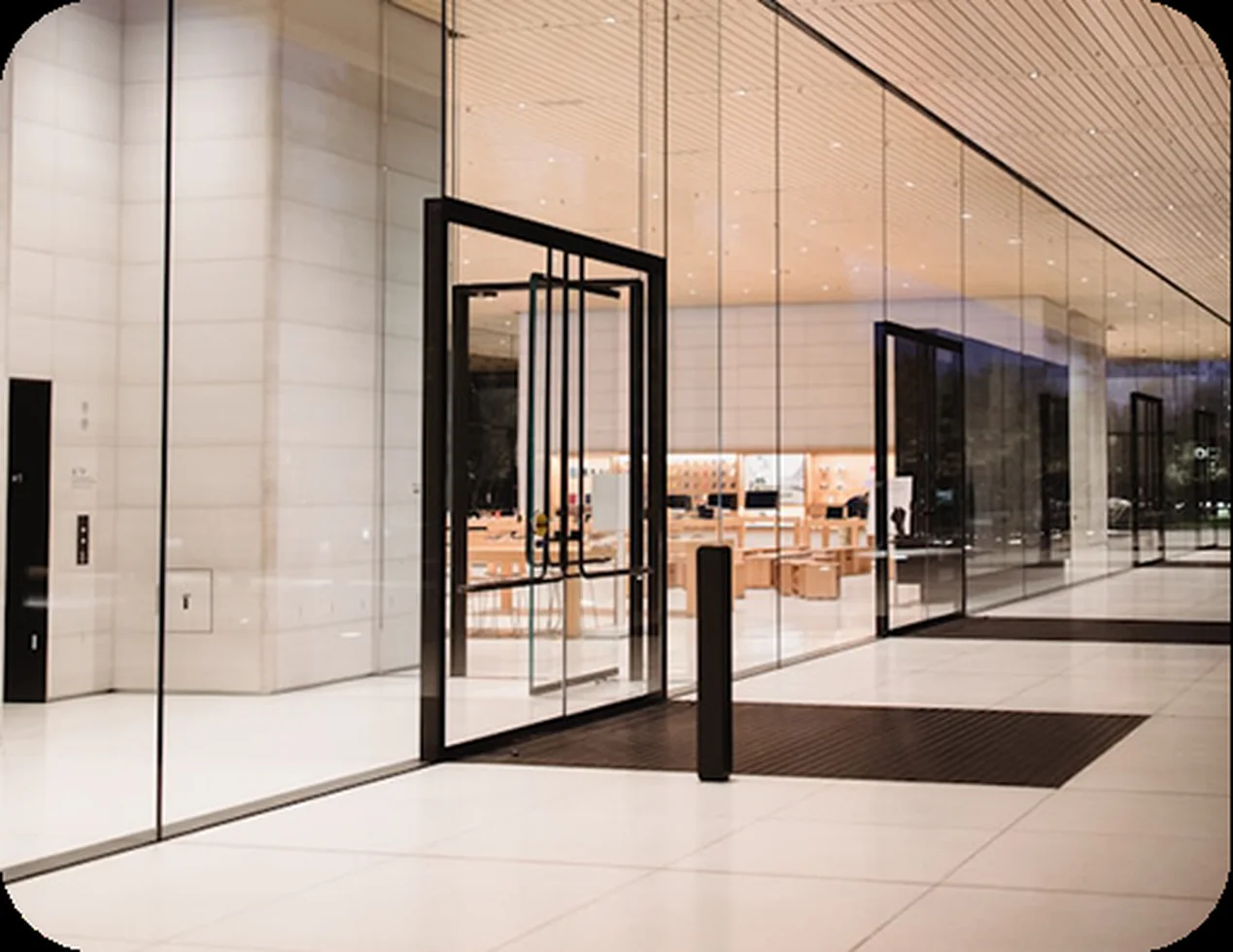
For the entrance checklist, review retail entrance air curtain applications. For doorway sizing inputs, start with the air curtain sizing calculator.
Heat Value Review
Heating adds value when the entrance creates a cold-draft comfort complaint near people who stay close to the doorway. Frequent door cycling, direct outdoor exposure, weak vestibule performance, and staff stations near the threshold all make heated review more relevant.
Heating also adds complexity. It introduces voltage, circuit capacity, control logic, safety and installation check, and a closer conversation with the electrical contractor. A doorway may physically fit a heated unit but still fail the project request if power or controls are not available.
An unheated air curtain may still be the cleaner path when the goal is insect reduction, dust movement, basic separation, or general outdoor-air control rather than warmth at the threshold.
| Entrance condition | Likely direction | What to verify |
|---|---|---|
| Cold drafts at checkout or host stand | Heated air curtain selection | Distance from door, staff position, door traffic, exposure |
| Frequent winter door cycling | Heated or higher-duty review | Opening frequency, open duration, vestibule behavior |
| Separation without comfort complaint | Unheated air curtain selection | Door coverage, mounting height, air stream fit |
| Limited electrical capacity | Electrical constraint review | Voltage, circuit allowance, controls, and installer input |
For a category comparison, read heated vs unheated air curtains. For broader product-family options, compare MiWind air curtain products.
Check mounting height, coverage, and exposure
Heating will not rescue a poor air curtain fit. If the unit is too short for the finished door width, mounted too high for the model direction, blocked by header conditions, or aimed poorly across the opening, warm discharge may still fail to protect the entrance zone.
Measure finished door width, clear opening height, actual mounting height, available header space, side obstructions, automatic door condition, vestibule depth, and whether wind or stack pressure affects the opening. Retail doors with high traffic should be treated as active thresholds, not static wall openings.
For taller or exposed entrances, product family matters. A higher-velocity or centrifugal-style review may be more relevant than adding heat to a unit that does not have the right coverage path. Final direction should still be based on the selected model table.
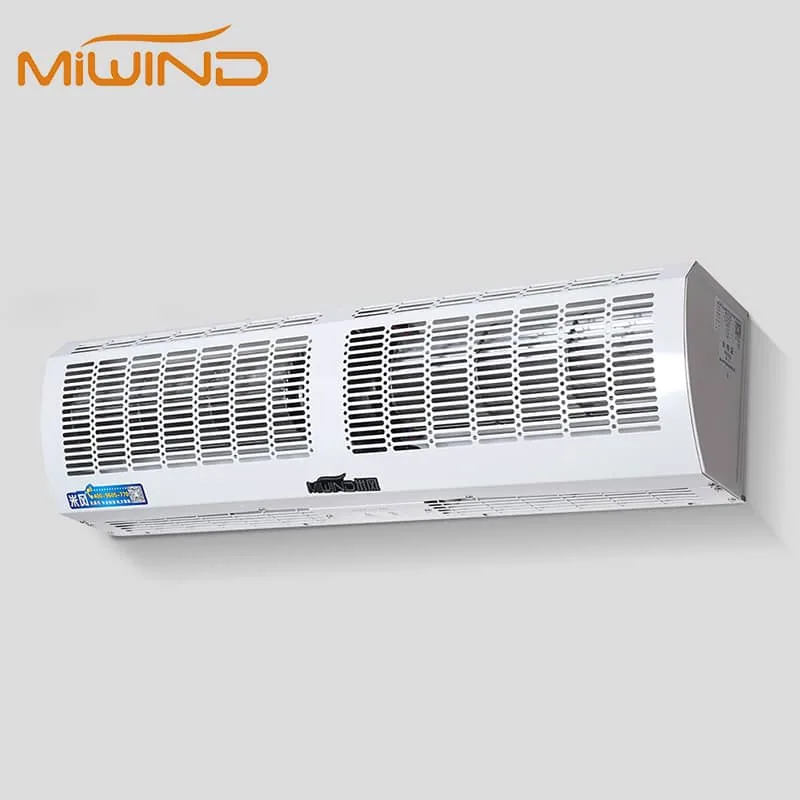
For heated entrance equipment context, review the A3 heating air curtain series page. For doorway measurement guidance, keep the air curtain sizing chart.
Bring electrical and control details into the first RFQ
Heated air curtain selection should include electrical availability from the first request. Voltage, phase where applicable, breaker or circuit planning, control preference, door switch, remote control, thermostat expectation, and operating schedule all affect whether the heated direction is practical.
Controls matter because a heated air curtain may need different operation during business hours, after-hours deliveries, mild weather, and winter peaks. A unit that runs heat when the door is not active can create comfort and operating complaints; a unit with poor activation logic may not support the entrance when traffic spikes.
For distributor review, do not send only the door size. Send the electrical context, expected control behavior, and photos of the header and nearby electrical access.
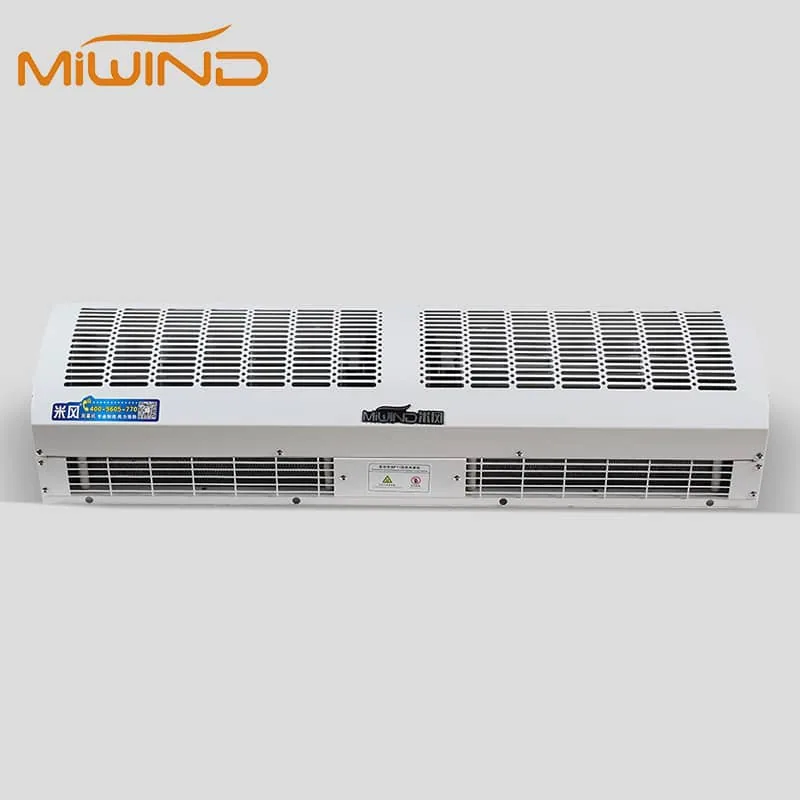
For cafes and small storefronts with mixed comfort needs, review cafe and small commercial space applications. For an adjacent entrance-energy discussion, read do air curtains help reduce entrance energy loss.
Prepare the heated entrance RFQ
Describe the doorway, comfort problem, and electrical limits together. Include finished door width, clear opening height, mounting height, door type, vestibule condition, door traffic, winter exposure, staff position, customer path, cold-draft complaint, available voltage, control preference, and photos.
Photos should show the full entrance, header, side walls, ceiling conditions, nearby electrical location, door operator, vestibule if present, and the zone where people feel the draft. If the project has a target model or width, include it, but do not skip the doorway evidence.
If comfort near the door is part of a broader HVAC issue, say so. A heated air curtain supports the entrance zone; it does not replace the building heating system or solve poor heating distribution by itself.
- Finished door width, clear height, mounting height, and header clearance
- Door traffic, automatic door behavior, vestibule condition, and exposure
- Staff or customer location affected by cold drafts
- Available voltage, circuit planning, control preference, and operating schedule
- Photos of entrance, header, side clearance, electrical access, and comfort zone
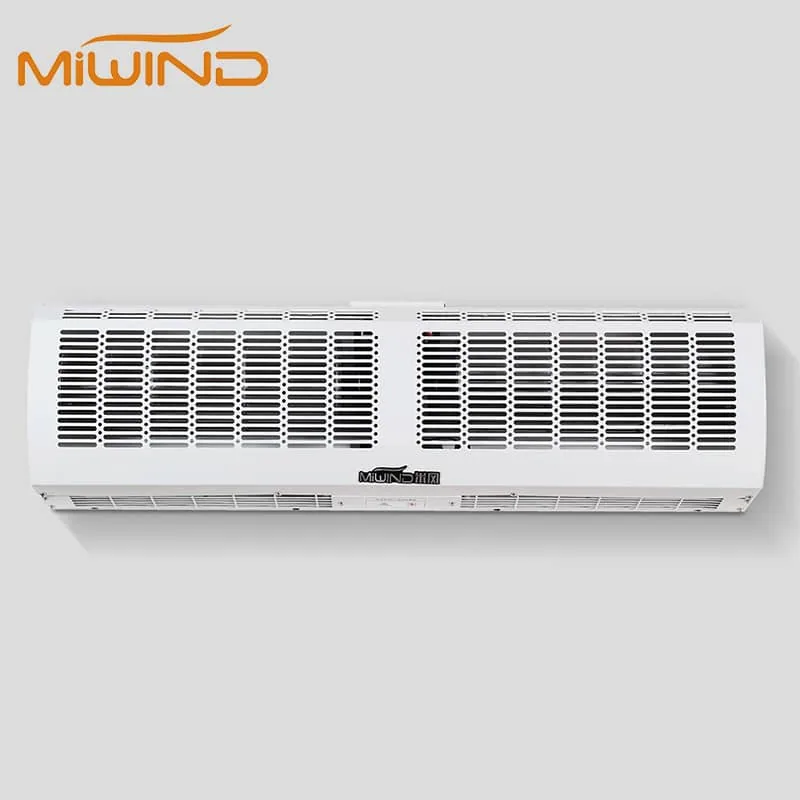
When the doorway and electrical notes are ready, request a heated air curtain recommendation.
Heated entrance handoff
A retail entrance needs a heated air curtain selection when cold-weather door cycling creates a comfort problem near customers or staff, and the doorway can support the right air curtain fit plus the required electrical and control conditions.
Define the entrance purpose first: separation, comfort, or both. Verify door dimensions, mounting height, exposure, traffic, voltage, controls, service access, and selected model data before procurement.
Heated air curtain selection should stay tied to doorway fit, comfort goal, electrical availability, and exact model values.
Organize door dimensions with the air curtain sizing calculator. Compare heated and unheated paths in the heated vs unheated air curtain guide.