
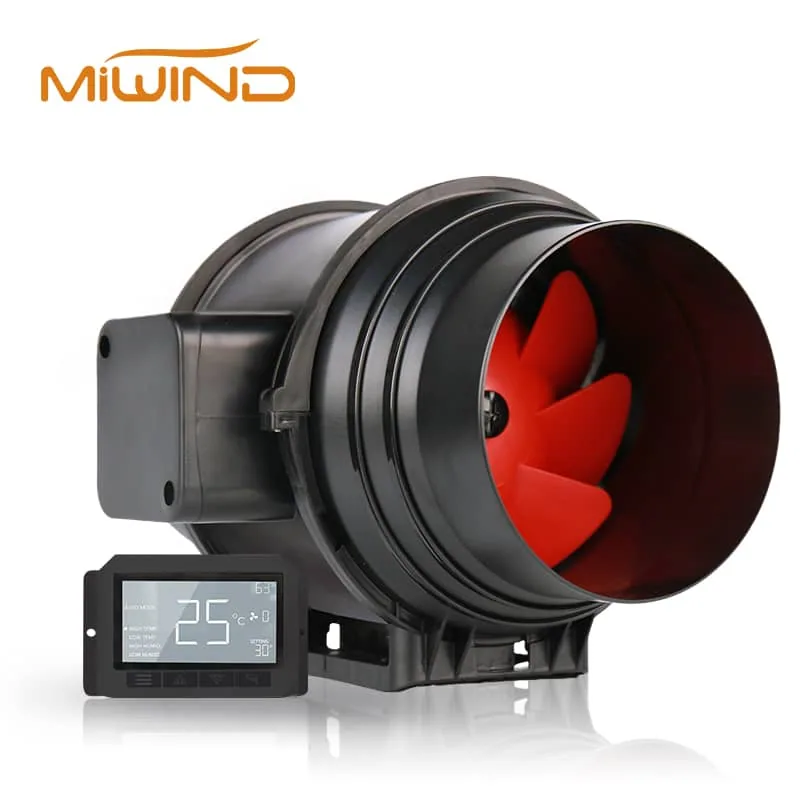
Variable-occupancy fan control
The training room is quiet in the morning, crowded after lunch, and used for evening classes twice a week. Running one fixed fan speed all day would be simple, but it may not match how the room is actually occupied.
An EC inline fan makes sense when the project needs controllable airflow, speed adjustment, sensor or schedule logic, or commissioning flexibility. The decision still starts with target CFM, duct diameter, equivalent duct length, elbows, filters, grilles, static pressure, sound expectations, controls, voltage, and service access.
Let the control need earn the EC motor
EC fan selection should not begin as a technology upgrade. It should begin with the control problem in the space. If a room needs one fixed airflow point and simple on/off operation, a standard inline fan may be the cleaner direction.
EC review becomes stronger when the room has variable occupancy, changing schedules, a need for speed adjustment after installation, or a control strategy tied to sensors, timers, building controls, or operating modes. The buyer is not only buying airflow; they are buying a way to manage airflow over time.
That distinction matters for contractors and distributors because the fan has to be matched to the duct path and the control expectation. A controllable motor does not correct an undersized duct, a restrictive filter, or a poor service location.
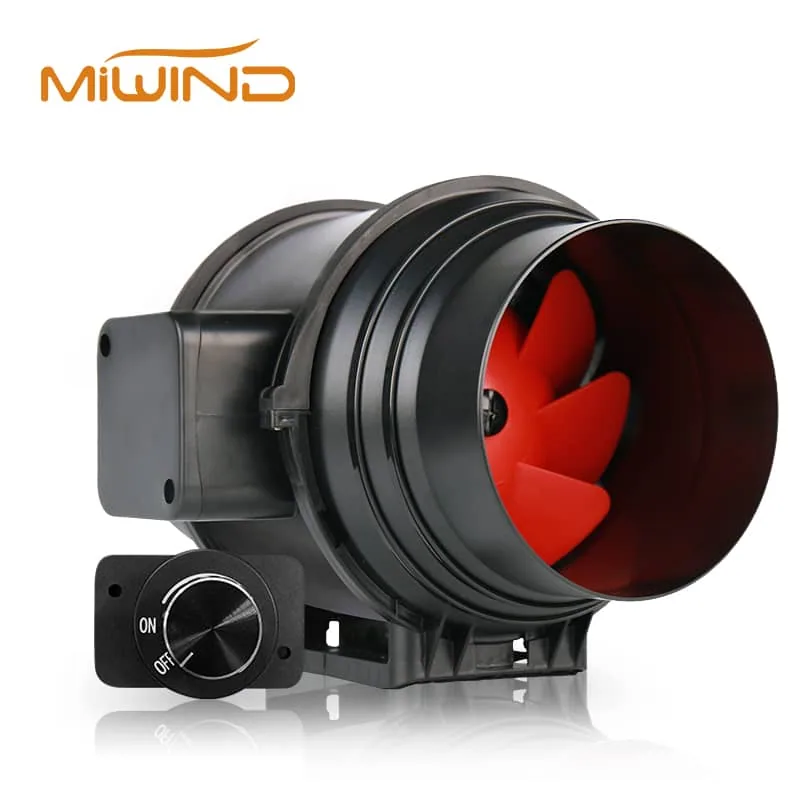
For the product direction, review the EC inline duct fan series page. For room-level airflow planning, start with the ventilation CFM calculator.
Identify where EC control adds real value
The strongest EC inline fan cases usually have a reason for adjustable operation. Offices and classrooms may change occupancy through the day. Gyms may need stronger airflow during peak classes and quieter operation afterward. Restaurant support spaces may need different operation during prep, service, and cleanup.
EC selection also helps when commissioning flexibility matters. If the duct route is known but field balancing may require small airflow adjustments, speed control can give the installer room to tune delivered CFM without changing the whole fan path.
Greenhouse, storage, and warehouse support spaces can also trigger EC or booster fan questions, but the project still needs a defined airflow target. Variable control should refine a real ventilation goal, not hide the fact that the required CFM, ACH, or pressure path has not been organized.
| Project condition | Why EC review helps | What to confirm before selection |
|---|---|---|
| Variable occupancy | Airflow can follow room use instead of one fixed schedule. | Peak and low-use CFM targets, controls, and operating hours. |
| Noise-sensitive occupied space | Lower-speed operation may support comfort during lighter load. | Sound expectation, grille location, and delivered airflow. |
| Commissioning uncertainty | Speed adjustment can help tune airflow after installation. | Target CFM, static pressure estimate, and access to controls. |
| Filtered fresh-air or transfer path | Control and pressure should be reviewed together. | Filter load, duct length, elbows, service side, and sensor plan. |
For changing occupancy examples, compare office and classroom fresh air planning. For gym schedules and moisture overlap, read gym fresh air and humidity control planning. For warehouse, storage, or greenhouse airflow context, use the warehouse ventilation page.
Keep CFM and static pressure ahead of motor type
An EC motor does not remove duct losses. Long straight runs, tight elbows, flex duct, filters, dampers, louvers, grilles, and exterior terminations all affect whether the fan can deliver the intended airflow.
Define the target CFM for the room, then document duct size, approximate straight length, elbow count, fittings, filter or grille details, and termination type. This tells the distributor whether the EC inline fan is being asked to serve a reasonable pressure path.
If the room calculation is expressed as ACH, convert it back to CFM before product selection. Fan selection is built around delivered airflow at an operating point, not only the room air-change target.
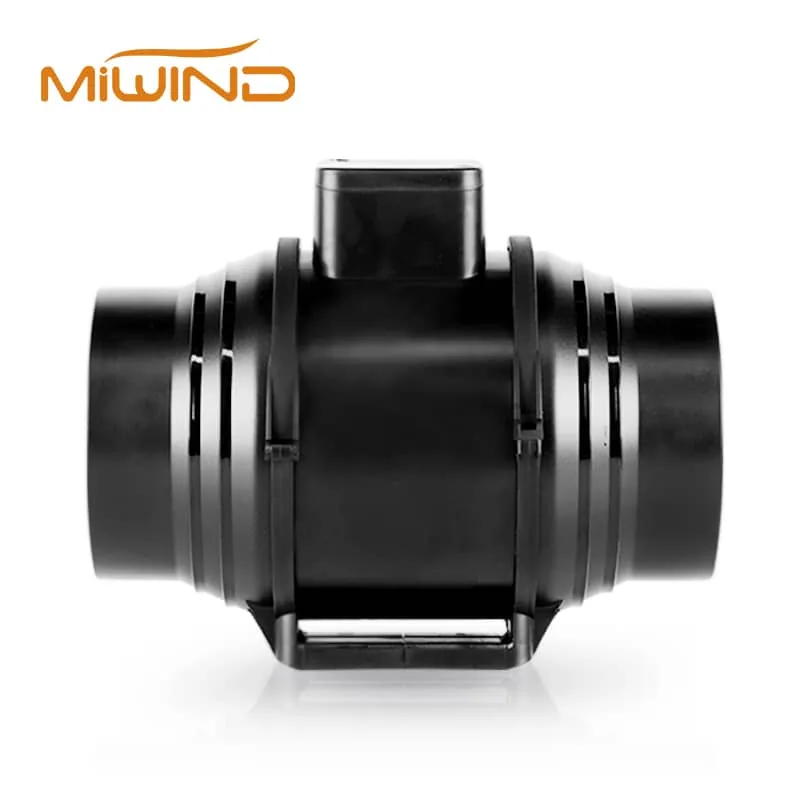
For duct resistance inputs, organize the route with the duct fan static pressure estimator. For room-volume comparison, check the CFM to ACH calculator. For selection terms and pressure-path language, reference the duct fan selection guide.
Compare EC inline fans with standard inline fans
A standard inline fan can still be the better commercial choice when the room needs a fixed airflow point, the controls are simple, the duct path is known, and the installation does not need speed tuning after startup.
EC review earns its place when the control need is part of the project value. That may mean demand-based operation, staged occupancy schedules, quieter low-speed periods, or a commissioning plan that expects the airflow to be trimmed after the duct is installed.
The practical comparison is not modern versus basic. It is fixed duty versus controlled duty, checked against target CFM, static pressure, sound, voltage, controls, and service access.
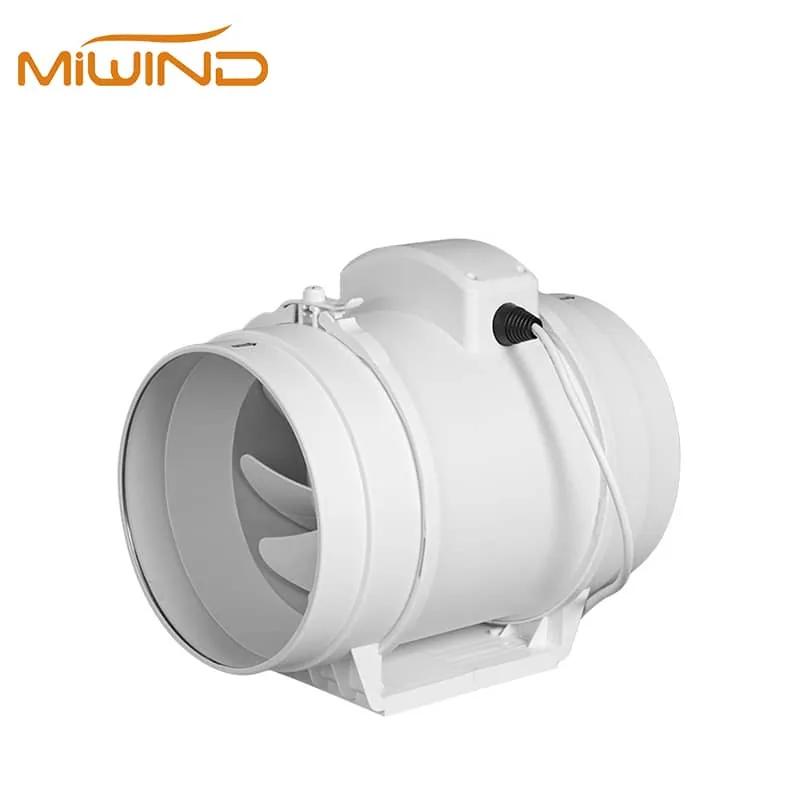
For fixed-duty inline equipment, review the inline duct fan series page. When a known duct run only needs airflow assistance, compare the booster fan series page. For a wider product-family comparison, read inline fan vs cabinet fan for commercial ductwork.
Coordinate EC fans with fresh-air and recovery equipment
Some EC fan discussions are really fresh-air discussions. If the duct path brings outdoor air into an occupied space, the project may also need filter access, outdoor-air intake placement, temperature and humidity expectations, or ERV/HRV selection check.
Do not treat the inline fan as a standalone answer when filtration, recovery, or outdoor-air control is part of the goal. A fan can move air through a path, but the full fresh-air plan may need recovery equipment, access panels, filters, condensate planning, controls, and service clearance.
This is common in offices, classrooms, gyms, and restaurant support areas where occupancy, humidity, odor, and operating schedule overlap.
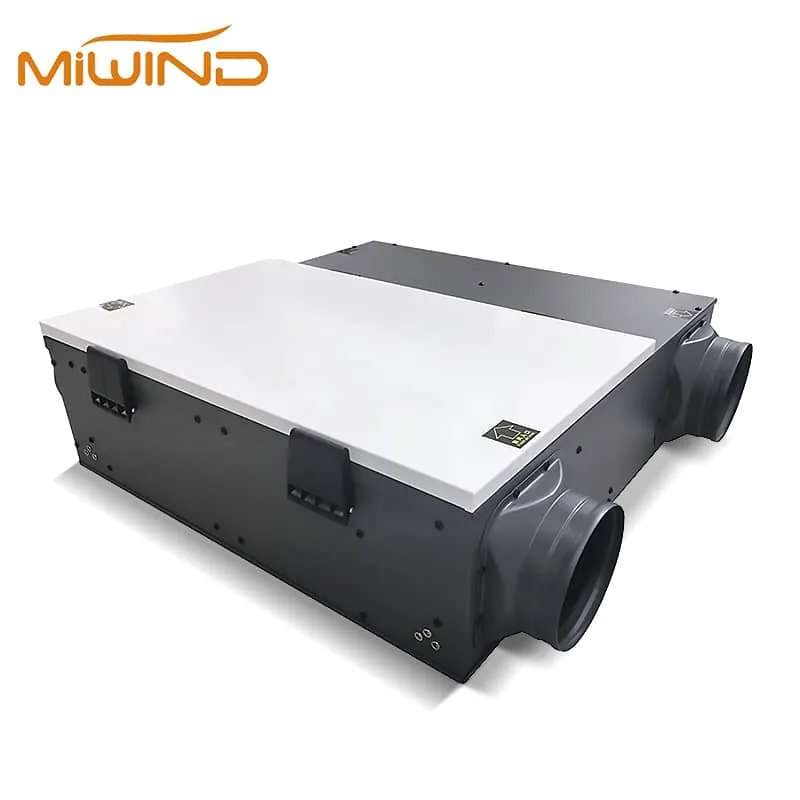
For recovery equipment direction, compare MiWind fresh air and ERV systems. For ERV/HRV project inputs, complete the ERV/HRV selection worksheet.
Prepare an EC inline fan RFQ
Make the control need and duct path visible: room use, target CFM, expected operating modes, control preference, duct size, equivalent length, elbow count, filters, grilles, termination, voltage, sound sensitivity, and service access.
Photos should show the fan location, duct route, filter box or grille, ceiling or wall access, termination, and any nearby control or wiring constraints. If the room has peak-use periods, include the schedule so the reviewer can separate fixed airflow from variable airflow needs.
- Room use, occupancy pattern, and peak operating period
- Target CFM, estimated ACH if known, and required operating modes
- Duct size, length, elbows, filters, grilles, dampers, and termination
- Static-pressure concern, sound expectation, voltage, and controls
- Service access, wiring path, sensor or timer expectation, and installation photos
For benchmark airflow ranges, keep the ventilation CFM chart. When the duct route and controls are ready, request an EC inline fan recommendation.
EC fan decision
An EC inline fan makes sense when commercial ventilation needs controlled airflow, changing operating modes, or commissioning adjustment. It is less compelling when the room only needs one fixed airflow point and the duct path is straightforward.
Make the decision in order: room use, target CFM or ACH, duct resistance, control strategy, sound, voltage, service access, and exact model data. That keeps EC selection tied to real project value instead of treating motor type as a shortcut.
EC inline fan selection should stay tied to airflow target, pressure path, control need, and service access before purchase.
Estimate airflow with the ventilation CFM calculator. Check the duct path with the duct fan static pressure estimator.