
Short RFQ that says enough
The email says, "Need a fan for a storage room." That sounds quick, but it leaves the distributor guessing whether the issue is stale air, odor, moisture, heat, poor duct performance, or a missing fresh-air path.
A professional ventilation equipment request can still be concise. It should include room use, floor area, ceiling height, target CFM or ACH, duct length, elbows, filters, grilles, static pressure, photos, voltage, controls, sound, service access, and document needs before final equipment direction.
State the room problem in one clear sentence
The first line of the request should identify the room and the problem. A fan for a restroom, a classroom, a basement storage room, a restaurant support area, and a warehouse zone may all move air, but they do not share the same selection logic.
Write the problem in field language: stale air during meetings, odor after restroom use, humidity that stays high overnight, heat buildup near equipment, weak airflow at the grille, or a long duct run that is not clearing the room. That sentence points the review toward fresh air, exhaust, duct fan support, dehumidification, or a combined path.
This keeps the request practical. The MiWind team sees the purpose of the equipment before comparing model size, voltage, controls, or document needs.

For changing-occupancy room examples, review office and classroom fresh air planning. For basic airflow inputs, start with the ventilation CFM calculator.
Turn room size into CFM and ACH context
A room name is not enough. Include floor area, ceiling height, room volume if calculated, and the target CFM or ACH if the project already has one. These inputs help the reviewer understand whether the request is a small exhaust duty, a fresh-air path, a ducted support fan, or a larger ventilation package.
CFM is the airflow number that equipment selection usually needs. ACH helps compare that airflow against room volume. If the request includes both, the distributor can see whether the airflow target fits the room behavior instead of guessing from square footage alone.
If the target comes from an engineer, code path, tenant requirement, or owner preference, label it clearly. Planning tools can organize early inputs, but project requirements should lead when they are already defined.
| Input to include | Why it matters | What it helps decide |
|---|---|---|
| Room use and complaint | Explains why air must be moved. | Fresh air, exhaust, dehumidification, or duct fan support. |
| Floor area and ceiling height | Shows room volume and scale. | CFM and ACH context. |
| Target CFM or ACH | Connects room need to equipment selection. | Fan size, fresh-air unit, or exhaust path. |
| Occupancy and schedule | Shows peak and low-load periods. | Fixed-speed, EC fan, timer, or control strategy. |
For room-volume comparison, pair the request with the CFM to ACH calculator. For quick reference ranges, attach the ventilation CFM chart.
Describe the duct path
For ducted ventilation, the duct path can change the product direction as much as the airflow target. Long runs, tight elbows, small duct diameter, filters, grilles, backdraft dampers, louvers, and wall or roof caps all affect delivered CFM.
Send a simple duct summary: duct diameter, straight length, elbow count, fittings, filter or grille details, damper location, termination type, and whether flexible duct or transitions are involved. Photos are often more useful than a polished drawing for the first review.
If the duct route is unknown, say which parts can be inspected. That prevents the reviewer from treating a nominal CFM number as if it were installed airflow.
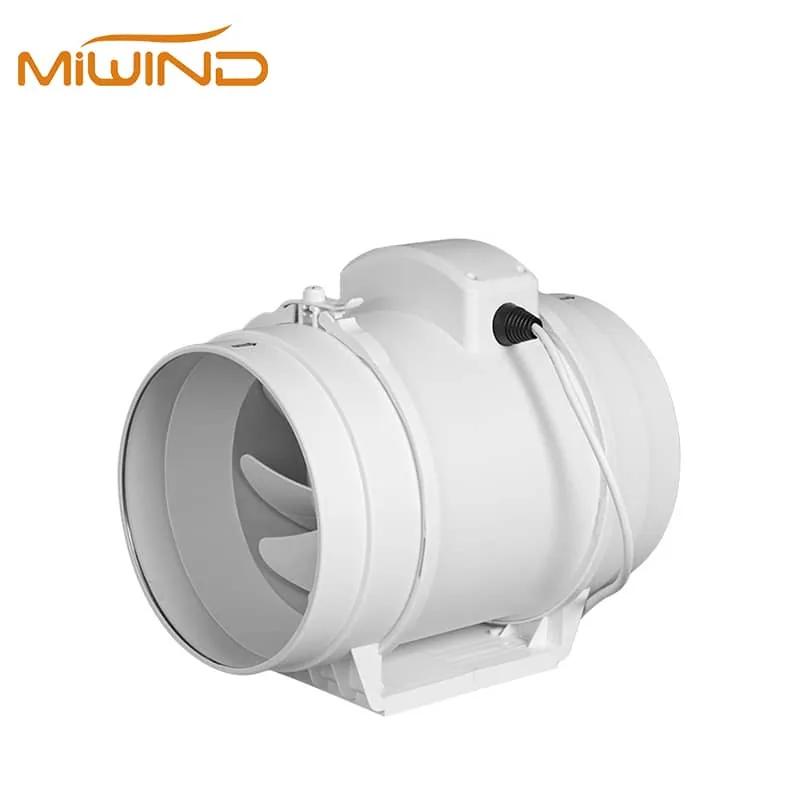
For pressure-path organization, run the duct fan static pressure estimator. For ducted equipment terms, reference the duct fan selection guide. For fan-family options, compare MiWind inline duct fans. When service access may change the fan category, compare inline fan vs cabinet fan for commercial ductwork.
Name the equipment direction
It is helpful to say what the buyer is considering, but the request should leave room for the reviewer to redirect the product family. A restroom may point to an exhaust fan, a long duct run may point to an inline fan, an occupied classroom may point to fresh air or ERV/HRV, and a damp storage room may point to dehumidification.
The strongest request says, for example, "We are considering an inline fan, but the room may also need fresh-air review." That is more useful than asking for the best fan without the room behavior or installation limits.
This is especially important when moisture, odor, occupancy, and duct resistance overlap. More airflow is not always the same as better humidity control, and a dehumidifier does not replace outdoor-air planning for occupied spaces.
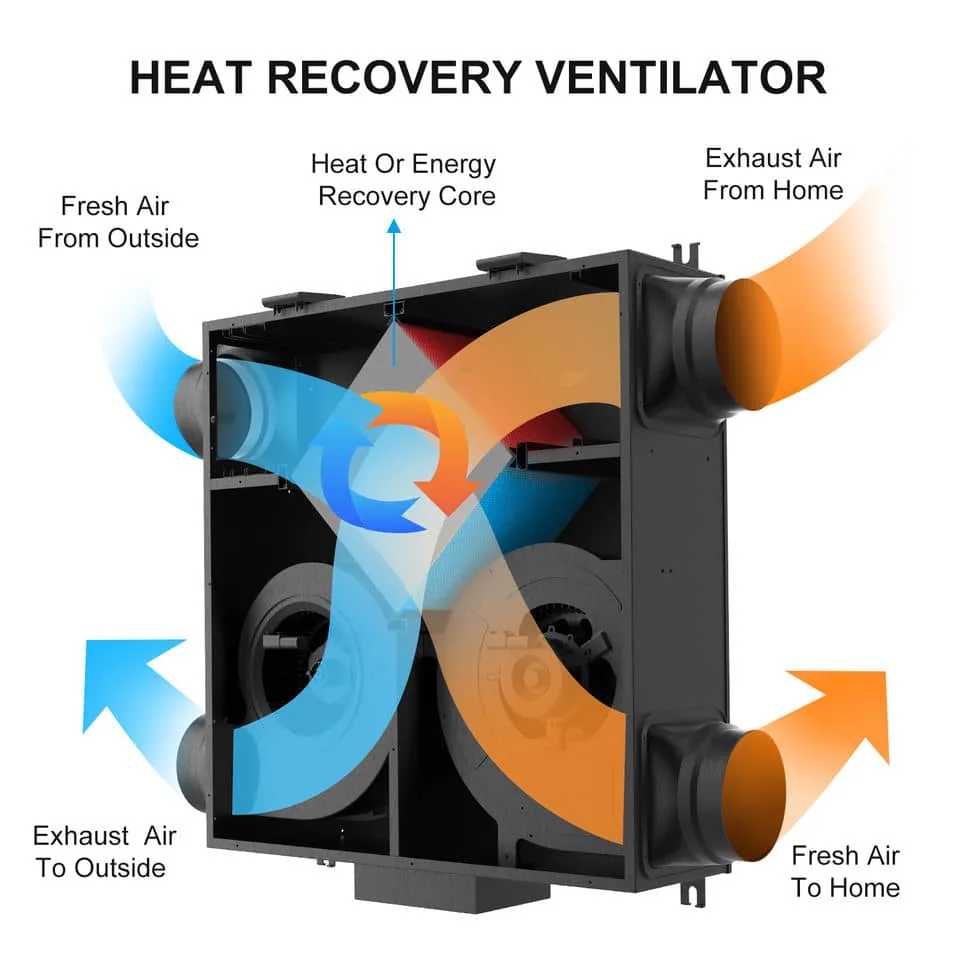
For occupied fresh-air paths, review MiWind fresh air and ERV systems. For damp storage conditions, compare ventilation, dehumidification, or both.
Add controls, voltage, sound, service, and document needs
Controls can change the equipment direction. A simple wall switch, timer, door switch, speed controller, humidity control, occupancy signal, or building-control expectation should be named before the quote stage. Voltage and wiring constraints should also be included early.
Sound matters when the fan serves a classroom, office, cafe, clinic, gym, or other occupied room. Service access matters when filters, coils, controls, motors, or drain pans must be reached after installation. A request that ignores these details may get a product that moves air but is difficult to live with.
If the project needs submittals, installation documents, performance data, or certification support, ask for exact model documents rather than assuming a family-wide answer.
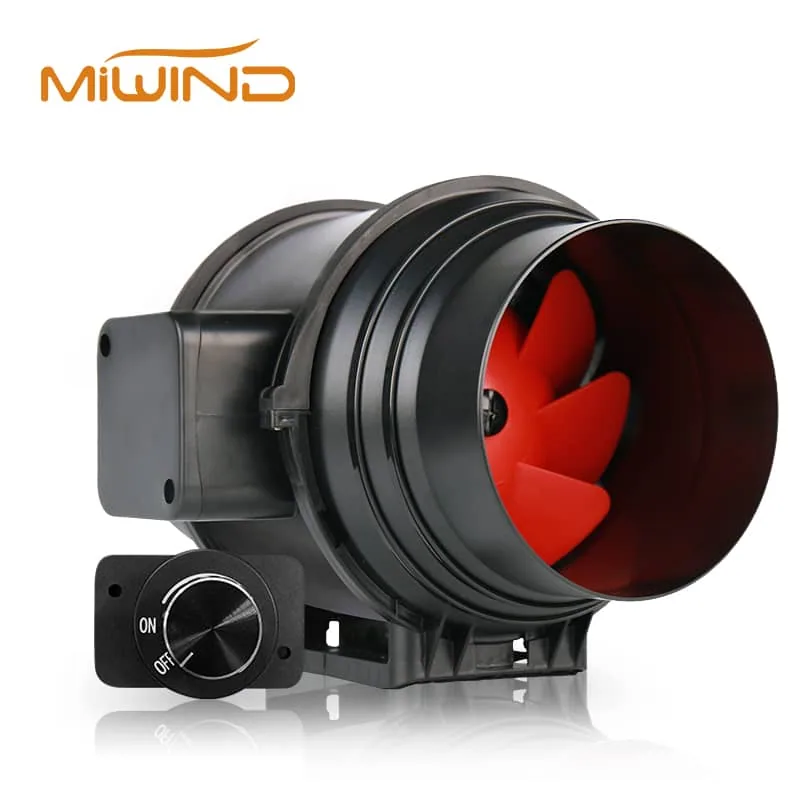
For adjustable ducted airflow, review when an EC inline fan makes sense. For document boundaries, check certification status and product documents.
Moisture Data
When the complaint includes damp air, sweating surfaces, stored-material risk, slow recovery, or high RH, include moisture information rather than only ventilation data. Current RH, target RH if defined, temperature range, moisture source, operating hours, and drainage route all affect whether dehumidification belongs in the package.
This matters because a ventilation fan and a dehumidifier solve different problems. Exhaust or fresh air may help with odor and air replacement, while a dehumidifier is reviewed around pints/day, temperature range, drainage, duty cycle, controls, and service access.
If the room is a basement, storage room, gym, or warehouse zone, send photos of the moisture source, drain location, doors, wall conditions, and existing ventilation path.
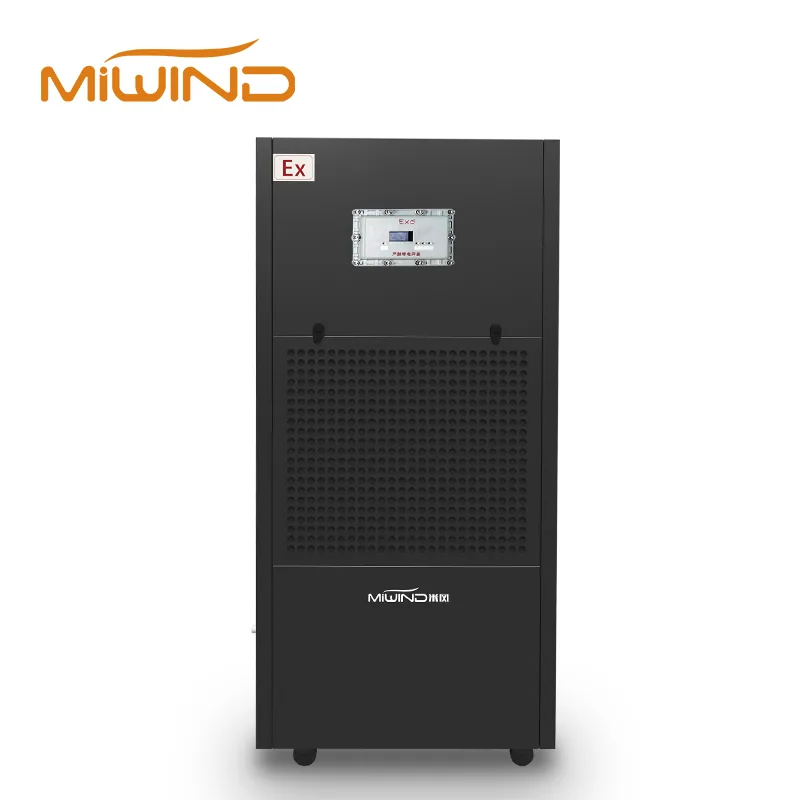
For moisture capacity planning, start with the dehumidifier sizing calculator. For early capacity ranges, reference the dehumidifier size chart. For Product details, review the commercial dehumidifier series page.
Send photos that answer installation questions
Photos shorten the first review when they show the actual constraints. Include the room, ceiling or wall location, existing fan or grille, duct route, termination, nearby electrical access, service clearance, filters, controls, and any moisture or odor source.
For replacement projects, add model labels, nameplates, old fan dimensions, duct diameter, and access panel location. For new work, add the planned mounting area and any ceiling, wall, or roof constraints that may affect installation.
- Room type, use pattern, floor area, ceiling height, and main complaint
- Target CFM or ACH, source of the requirement, and operating schedule
- Duct size, route length, elbows, filters, grilles, dampers, and termination
- Voltage, controls, sound target, service access, and document needs
- Current RH, target RH, temperature, moisture source, and drainage for humidity projects
- Photos of room, mounting point, duct route, outlet, electrical access, and existing labels
For terminology while writing the request, use the air movement glossary. When the checklist is complete, send a ventilation equipment RFQ.
RFQ-ready handoff
A ventilation equipment request does not need to be a long specification. It should be a clear field brief: room problem, airflow target, duct path, installation limits, controls, voltage, sound, service access, moisture data when relevant, and exact document needs.
That level of detail helps the reviewer choose between fresh-air equipment, inline duct fans, exhaust fans, ERV/HRV paths, and dehumidifiers without guessing from the room name alone.
Ventilation equipment selection should stay tied to room use, airflow target, pressure path, controls, service access, and exact model data.
Calculate a room airflow target with the ventilation CFM calculator. Organize duct resistance with the duct fan static pressure estimator.